
How to Calculate Food Cost Per Menu Item (And Why Most Restaurants Get It Wrong)
Food cost problems rarely come from a single recipe. They often stem from inaccurate menu costing, inconsistent portioning, outdated pricing, yield loss, and a lack of visibility into menu profitability.
A menu item can be one of your best sellers and still lose money every time it leaves the kitchen.
Many restaurant operators know their overall food cost percentage, but far fewer know the true cost of each dish they serve. That's a problem because even small costing errors can quietly erode profitability.
Calculating food cost per menu item involves more than adding up ingredient prices. To get an accurate number, you need to account for portion sizes, yield loss, trim waste, and the small ingredients that often get overlooked.
With food costs continuing to fluctuate across Canada, accurate menu costing has become one of the most effective ways to protect margins and make smarter pricing decisions. According to Statistics Canada's Food Price Data Hub, food prices remain elevated compared to historical levels, increasing pressure on restaurant profitability.
In this guide, you'll learn how to calculate food cost per menu item step-by-step, determine food cost percentage, and use that information to build a more profitable menu.
What Is Food Cost Per Menu Item?
Before you can improve profitability, you need to know exactly what each dish costs to produce.
Food cost per menu item, often called portion cost, is the total cost of all ingredients required to prepare a single serving of a menu item. This includes every ingredient used in the recipe, adjusted for yield loss, trim waste, and portion size.
For example, if a burger requires $3.75 worth of ingredients to produce one serving, its food cost per menu item is $3.75.
It's important not to confuse food cost per menu item with food cost percentage. Portion cost tells you what a dish costs to make, while food cost percentage measures that cost against the selling price.
Food Cost Per Menu Item Formula
Food Cost Per Menu Item = Total Ingredient Cost Per Portion
For example:
| Ingredient | Cost Per Portion |
|---|---|
| Beef Patty | $1.80 |
| Bun | $0.45 |
| Cheese | $0.30 |
| Lettuce & Tomato | $0.40 |
| Sauce | $0.20 |
| Total Food Cost | $3.15 |
In this example, the burger's food cost per menu item is $3.15.
While the formula itself is straightforward, accuracy depends on using standardized recipes, current ingredient pricing, and realistic yield calculations. Even small errors in these areas can significantly impact menu pricing and profitability over time.
That's why successful operators don't just calculate food costs once. They regularly review recipe costs, supplier pricing, and portion controls to ensure every menu item is contributing to the restaurant's financial performance.
Why Accurate Menu Item Costing Matters More Than Ever
A few cents may not seem like much, but across hundreds of orders each week, small costing errors can have a significant impact on profitability.
Many restaurant operators price menu items based on experience, competitor pricing, or historical costs. The problem is that ingredient prices, supplier costs, and waste levels are constantly changing. If menu costs aren't reviewed regularly, margins can shrink without anyone noticing.
Food inflation has added even more pressure. Statistics Canada's Food Price Data Hub reported that the Consumer Price Index for food purchased from stores increased 5.0% in December 2025, highlighting the ongoing volatility operators face when managing food costs.
Accurate menu item costing helps restaurants:
Price menu items with confidence
Protect profit margins as costs change
Identify low-margin and high-margin dishes
Reduce waste and over-portioning
Improve menu engineering decisions
Make better purchasing and inventory decisions
Just as importantly, menu costing helps operators move beyond assumptions. Rather than guessing which dishes are profitable, they can use actual numbers to make informed decisions about pricing, promotions, and menu design.
The good news is that calculating food cost per menu item isn't complicated when you follow a consistent process. The first step is creating a standardized recipe that ensures every serving is produced the same way.
Step 1: Create a Standardized Recipe
Without a standardized recipe, food costing is little more than an estimate.
If different cooks use different quantities, portion sizes, or preparation methods, your food cost calculations will never be accurate. Consistency is the foundation of both profitability and guest experience.
A standardized recipe should include:
Every ingredient used in the dish
Exact ingredient quantities
Portion sizes
Preparation instructions
Yield information where applicable
| Ingredient | Quantity |
|---|---|
| Chicken Breast | 170g |
| Potatoes | 200g |
| Seasonal Vegetables | 120g |
| Olive Oil | 15ml |
| Herb Butter | 30g |
When every team member follows the same recipe, you can accurately calculate costs, control portions, and maintain consistency across every plate served.
Once your recipe is standardized, the next step is determining exactly what each ingredient costs. That's where accurate menu costing begins.
Step 2: Calculate the Cost of Each Ingredient
Once you have a standardized recipe, the next step is determining what each ingredient actually costs.
The easiest way to do this is by using your most recent supplier invoices. Rather than looking at the total case price, calculate the cost per unit so you can accurately cost the quantity used in each recipe.
For example:
| Ingredient | Purchase Cost | Quantity Purchased | Unit Cost |
|---|---|---|---|
| Chicken Breast | $70.00 | 10 kg | $7.00/kg |
| Potatoes | $25.00 | 20 kg | $1.25/kg |
| Olive Oil | $50.00 | 5 L | $10.00/L |
Once you know the unit cost, you can calculate the cost of the portion used in the recipe.
For example:
Chicken: 170g × $7.00/kg = $1.19
Potatoes: 200g × $1.25/kg = $0.25
Olive Oil: 15ml × $10.00/L = $0.15
This process should be repeated for every ingredient in the recipe.
Use Current Pricing, Not Historical Costs
One of the most common mistakes restaurants make is relying on outdated ingredient costs.
Supplier pricing can change frequently, especially for proteins, dairy products, produce, and imported goods. A recipe costed six months ago may no longer reflect the actual cost of producing the dish today.
Regularly updating ingredient costs helps ensure menu pricing decisions are based on current market conditions rather than outdated assumptions.
Don't Forget Unit Conversions
Many costing errors occur because ingredients are purchased and used in different units.
For example:
| Purchased As | Used As |
|---|---|
| 10 kg chicken | grams |
| 5 L olive oil | millilitres |
| 1 case tomatoes | individual tomatoes |
| 454g butter | portions |
Before calculating recipe costs, convert everything into a consistent unit of measure. This improves accuracy and makes recipe costing much easier to maintain.
Once you've calculated the cost of each ingredient, there's one more critical adjustment to make before determining the true cost of a menu item: yield loss and trim waste. Ignoring this step is one of the biggest reasons restaurants underestimate their food costs.
Step 3: Account for Yield Loss and Trim Waste
The cost of an ingredient isn't always the cost of the portion you can actually serve.
Vegetables need peeling. Meat requires trimming. Seafood often includes shells, bones, or other unusable portions. As a result, the amount you purchase is rarely the same as the amount you can sell.
This is known as yield loss, and failing to account for it can significantly understate food costs.
Understanding AP vs. EP Cost
When costing recipes, you'll often hear two terms:
AP (As Purchased): The product as it arrives from the supplier.
EP (Edible Portion): The usable amount after trimming, peeling, or processing.
For example, if you purchase 10 kg of potatoes but lose 15% through peeling and waste, you only have 8.5 kg of usable product.
| Item | Purchased Weight | Yield % | Usable Weight |
|---|---|---|---|
| Potatoes | 10 kg | 85% | 8.5 kg |
Because you're paying for the full 10 kg, the cost of the usable product is actually higher than the purchase price suggests.
Yield Cost Formula
To determine the true cost of a usable ingredient:
EP Cost = AP Cost ÷ Yield %
For example:
Potato cost: $1.25/kg
Yield: 85%
EP Cost = $1.25 ÷ 0.85 = $1.47/kg
Although the potatoes cost $1.25/kg when purchased, the usable potatoes actually cost $1.47/kg after accounting for waste.
Why Yield Matters
Yield loss may seem minor on a single ingredient, but across an entire menu it can significantly affect profitability.
According to Environment and Climate Change Canada, approximately 20% of all food produced in Canada becomes avoidable food loss or waste, representing roughly 11 million tonnes annually.
While not all of this waste occurs in restaurants, it highlights how quickly food costs can increase when waste isn't properly managed.
Build Yield Into Every Recipe Cost
For the most accurate menu costing:
Use edible portion costs whenever possible
Conduct yield tests on high-cost ingredients
Update yield percentages when products or suppliers change
Train kitchen teams to minimize unnecessary waste
Once yield adjustments have been made, you can calculate the true cost of a single serving by adding together the cost of every ingredient in the recipe. That's where portion costing comes in.
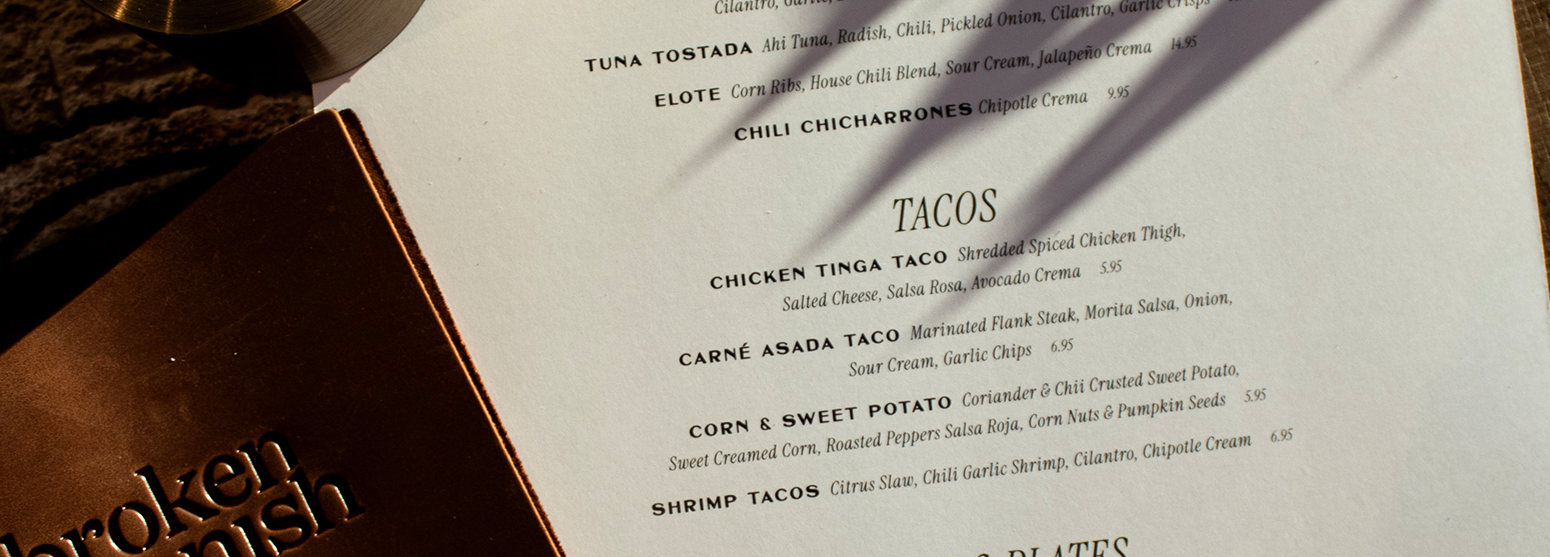
Strong restaurant profitability starts with accurate menu costing, disciplined portion control, strategic pricing, and a clear understanding of menu performance.
Step 4: Calculate the Portion Cost of the Menu Item
Now that you've adjusted ingredient costs for yield and waste, it's time to calculate the actual cost of a single serving. This number is the foundation of every pricing and profitability decision you'll make.
Now it's time to calculate the actual cost of a single serving.
This is where all of your work comes together. Once you've determined the cost of each ingredient and adjusted for yield loss, simply add the cost of every ingredient used in one portion of the recipe.
Portion Cost Formula
Food Cost Per Menu Item = Total Cost of All Ingredients in One Serving
For example:
| Ingredient | Portion Used | Cost |
|---|---|---|
| Chicken Breast | 170g | $1.19 |
| Potatoes | 200g | $0.29 |
| Seasonal Vegetables | 120g | $0.48 |
| Olive Oil | 15ml | $0.15 |
| Herb Butter | 30g | $0.35 |
| Total Portion Cost | $2.46 |
In this example, the food cost per menu item is $2.46.
Cost Every Ingredient
One of the biggest mistakes operators make is only costing major ingredients.
While proteins typically represent the largest portion of a dish's cost, small ingredients add up quickly over hundreds or thousands of orders.
Be sure to include:
Sauces
Dressings
Garnishes
Breads
Cheese
Seasonings
Cooking oils
Condiments
If an ingredient goes on the plate, it should be included in the recipe cost.
Accuracy Matters
A menu item that appears to cost $8.00 may actually cost $8.75 once every ingredient is included. That difference may seem small, but over 100 orders per week, that's an additional $75 in food cost—or nearly $4,000 annually on a single menu item.
That's why the most profitable restaurants treat recipe costing as an ongoing process rather than a one-time exercise.
Add a Q-Factor for Hidden Costs
Even detailed recipes often miss small costs that are difficult to track individually.
Many operators apply a Q-factor, which is a percentage added to cover miscellaneous ingredients and preparation costs such as:
Salt and pepper
Cooking oil
Herbs and spices
Minor garnishes
Product shrinkage
A Q-factor typically ranges from 3% to 10%, depending on the menu and operation.
For example:
| Calculation | Amount |
|---|---|
| Portion Cost | $2.46 |
| Q-Factor (5%) | $0.12 |
| Adjusted Food Cost | $2.58 |
Adding a Q-factor helps create a more realistic picture of what the dish actually costs to produce.
Once you know the true cost of a menu item, the next step is measuring how that cost compares to the selling price. This is where food cost percentage becomes one of the most important profitability metrics in a restaurant.
| Ingredient | Portion Used | Cost |
|---|---|---|
| Chicken Breast | 170g | $1.19 |
| Potatoes | 200g | $0.29 |
| Seasonal Vegetables | 120g | $0.48 |
| Herb Butter | 30g | $0.35 |
| Olive Oil | 15ml | $0.15 |
| Subtotal | $2.46 |
Step 5: Calculate Food Cost Percentage
Knowing a dish costs $2.58 is useful. Knowing whether that cost supports your profitability goals is even more important.
Food cost percentage measures the relationship between a menu item's cost and its selling price. It helps operators determine whether a dish is priced appropriately and contributing enough margin to support labour, occupancy, operating expenses, and profit.
Food Cost Percentage Formula
| Item | Amount |
|---|---|
| Portion Cost | $2.58 |
| Selling Price | $12.00 |
| Food Cost Percentage | 21.5% |
In this example, the dish has a food cost percentage of 21.5%, meaning 21.5 cents of every sales dollar goes toward food costs.
What Is a Good Food Cost Percentage?
There is no universal target that works for every restaurant.
Your ideal food cost percentage depends on factors such as:
Concept type
Service model
Labour costs
Occupancy costs
Menu mix
Average check
However, many restaurants operate within the following ranges:
| Concept Type | Typical Food Cost % |
|---|---|
| Quick-Service Restaurant | 25%–30% |
| Casual Dining Restaurant | 28%–35% |
| Full-Service Restaurant | 30%–38% |
A higher food cost percentage isn't always bad. Premium steakhouses, seafood restaurants, and chef-driven concepts often accept higher food costs because of their pricing strategy and guest expectations.
The goal isn't necessarily to achieve the lowest food cost percentage. The goal is to achieve the right balance between guest value, menu quality, and profitability.
Food Cost Percentage in Action
Consider two menu items:
| Item | Cost | Price | Food Cost % |
|---|---|---|---|
| Burger | $4.50 | $15.00 | 30% |
| Pasta | $3.00 | $19.00 | 15.8% |
The pasta generates significantly more gross profit per sale, even though it may not be the most expensive item on the menu.
This is why food cost percentage is such a valuable tool for menu engineering. It helps identify which dishes are driving profitability and which may require recipe adjustments or pricing changes.
Once you know both your portion cost and food cost percentage, you can work backward to determine what a menu item should sell for based on your target profitability goals.
Step 6: Determine the Right Menu Price
Many restaurants set prices based on competitors. The most profitable restaurants set prices based on costs, margins, and market positioning.
Once you know the true cost of a menu item, you can calculate the selling price required to achieve your target food cost percentage.
Menu Pricing Formula
| Menu Price = | Portion Cost |
| Target Food Cost Percentage |
| Item | Amount |
|---|---|
| Portion Cost | $5.00 |
| Target Food Cost % | 30% |
| Recommended Selling Price | $16.67 |
In this example, a dish that costs $5.00 to produce would need to sell for approximately $16.67 to achieve a 30% food cost.
Pricing Is More Than a Formula
While this formula provides a useful starting point, menu pricing should never rely solely on food cost percentage.
A successful pricing strategy also considers:
Guest willingness to pay
Competitive positioning
Perceived value
Portion size
Service level
Brand positioning
For example, two restaurants may serve a similar pasta dish with the same food cost, but one may successfully charge $24 while the other struggles to charge $18 because of differences in location, atmosphere, service, and guest expectations.
Avoid the Lowest-Price Trap
One of the most common mistakes operators make is pricing based on competitors alone.
If a competing restaurant has different labour costs, rent, purchasing power, or operating efficiencies, matching their prices may not support your profitability goals.
Instead, use your menu costs as the foundation, then evaluate whether the market supports the selling price required to achieve your target margins.
Remember: Profitability Happens at the Menu Item Level
Restaurants don't become profitable because their overall food cost looks good on paper.
They become profitable because enough menu items generate strong margins consistently.
That's why menu costing and pricing should work together. Accurate costs lead to informed pricing decisions, and informed pricing decisions create healthier margins.
Once pricing is established, the next step is using food cost data to identify which menu items deserve more attention, promotion, or refinement. This is where menu engineering becomes one of the most powerful profitability tools available to restaurant operators.
How to Use Food Cost Per Menu Item to Improve Restaurant Profitability
Calculating food cost is important. Using that information to make better decisions is where the real value comes from.
The real value comes from using that information to make smarter decisions about pricing, menu design, purchasing, and operations. When operators understand the profitability of each menu item, they can focus their efforts where they will have the greatest impact.
Identify Your Most Profitable Menu Items
Not every popular item is profitable, and not every profitable item is popular.
By comparing food cost, selling price, and sales volume, you can identify which menu items generate the strongest contribution to your bottom line.
These are often the items that deserve:
Better menu placement
Server recommendations
Marketing support
Featured promotions
Many restaurants discover that their highest-selling items are not necessarily their most profitable ones.
Use Menu Engineering to Improve Margins
Menu engineering helps operators evaluate menu items based on both profitability and popularity.
A simple menu engineering review can help you:
Promote high-profit items
Rework low-margin dishes
Adjust portion sizes
Simplify underperforming menu sections
Improve overall menu performance
Even small adjustments can significantly improve profitability over time.
Reduce Waste and Over-Portioning
Food cost calculations often reveal operational issues that would otherwise go unnoticed.
For example, if actual food costs consistently exceed theoretical food costs, the cause may be:
Over-portioning
Excessive waste
Poor inventory controls
Inconsistent recipe execution
Staff training gaps
According to Environment and Climate Change Canada, approximately 20% of food produced annually in Canada becomes avoidable food loss or waste, highlighting the financial impact of waste throughout the food system.
Reducing waste is often one of the fastest ways to improve restaurant profitability without increasing sales.
Make Better Purchasing Decisions
Detailed recipe costing provides valuable insight into where your food dollars are going.
This allows operators to:
Evaluate supplier pricing
Negotiate with vendors
Compare product substitutions
Monitor cost increases
Forecast purchasing needs more accurately
The more visibility you have into menu costs, the easier it becomes to protect margins as market conditions change.
Turn Costing Into a Habit
The most profitable restaurants don't cost their menus once and forget about them.
They review menu costs regularly, update ingredient pricing, monitor food cost percentages, and adjust recipes or pricing when necessary.
Food costs, supplier pricing, and guest expectations are constantly changing. Your costing process should evolve with them.
Common Food Cost Calculation Mistakes
The food cost formula is relatively simple. Most costing problems occur because the inputs are inaccurate.
Even a well-designed costing system can produce misleading results if recipes, pricing, or portion controls aren't maintained properly.
Ignoring Yield Loss
One of the most common mistakes is costing ingredients based on their purchase price without accounting for trimming, peeling, cooking loss, or spoilage.
If yield isn't factored into your calculations, food costs will almost always appear lower than they actually are.
Using Outdated Ingredient Costs
Supplier pricing changes constantly, especially for proteins, dairy products, produce, and imported goods.
A menu item that was profitable six months ago may no longer generate the same margin today.
Reviewing ingredient costs regularly helps ensure pricing decisions reflect current market conditions rather than historical data.
Inconsistent Portion Sizes
You can have a perfectly costed recipe on paper and still miss your food cost targets if portions vary from one shift to another.
Without clear portion standards, even small overages can significantly impact profitability over time.
This is why successful operators use:
Standardized recipes
Portioning tools
Recipe training
Regular kitchen audits
Forgetting Small Ingredients
Seasonings, oils, sauces, garnishes, and condiments may seem insignificant individually, but together they can materially impact recipe costs.
If an ingredient is used consistently, it should be included in your costing process.
Failing to Update Recipes
Menus evolve over time.
Ingredients are substituted, portion sizes change, and recipes are adjusted to improve quality or manage costs. If recipe costing isn't updated alongside these changes, the numbers quickly become unreliable.
Focusing Only on Food Cost Percentage
Food cost percentage is important, but it doesn't tell the entire story.
A dish with a higher food cost percentage may still generate more gross profit dollars than a dish with a lower percentage.
The most effective operators evaluate both:
Food cost percentage
Gross profit contribution
This creates a more balanced view of menu performance.
Food Cost Per Menu Item Example
Let's bring everything together with a practical example.
Imagine you're costing a grilled chicken entrée.
Step 1: Calculate Ingredient Costs
| Ingredient | Portion Used | Cost |
|---|---|---|
| Chicken Breast | 170g | $1.19 |
| Potatoes | 200g | $0.29 |
| Seasonal Vegetables | 120g | $0.48 |
| Herb Butter | 30g | $0.35 |
| Olive Oil | 15ml | $0.15 |
| Subtotal | $2.46 |
Step 2: Add Q-Factor
Assume a 5% Q-factor for seasonings, cooking oil, and miscellaneous ingredients.
| Calculation | Amount |
|---|---|
| Subtotal Cost | $2.46 |
| Q-Factor (5%) | $0.12 |
| Adjusted Food Cost | $2.58 |
Step 3: Calculate Food Cost Percentage
Assume the menu price is $12.00.
Food Cost Percentage = ($2.58 ÷ $12.00) × 100 = 21.5%
Final Results
| Metric | Result |
|---|---|
| Food Cost Per Menu Item | $2.58 |
| Menu Price | $12.00 |
| Food Cost Percentage | 21.5% |
| Gross Profit Per Sale | $9.42 |
This simple exercise shows why menu item costing is so valuable. With accurate cost data, you can confidently evaluate pricing, profitability, and menu performance before a dish ever reaches the guest.
Turn Menu Costing Into Better Profitability
Calculating food cost per menu item is an important first step, but most profitability challenges aren't caused by bad math. They're caused by inconsistent execution, outdated pricing strategies, poor menu performance, and a lack of operational visibility.
That's where restaurant consulting services can make a meaningful difference.
At The Fifteen Group, we help restaurant operators move beyond recipe costing to identify opportunities for stronger margins and improved performance. Through restaurant menu engineering, we evaluate menu pricing, product mix, and contribution margins to uncover opportunities that may be limiting profitability. Our restaurant management consultants also work with operators to improve systems, controls, reporting, and operational accountability that support long-term financial performance.
Whether you're reviewing a single menu item or evaluating the profitability of your entire operation, accurate food costing is often the starting point for building a stronger, more profitable restaurant.
Conclusion
Food cost per menu item is one of the most important numbers in any restaurant.
It provides the foundation for menu pricing, profitability analysis, purchasing decisions, and menu engineering. Without accurate costing, restaurants are left making decisions based on assumptions rather than data.
The process itself is straightforward: calculate ingredient costs, adjust for yield loss, determine portion cost, add any applicable Q-factor, and compare the result against your selling price. The challenge is maintaining accuracy as recipes, supplier pricing, and operating conditions change.
Restaurants that consistently achieve strong margins don't just track overall food cost percentages. They understand the profitability of individual menu items and use that information to make smarter operational and financial decisions.
If you want to improve restaurant profitability, food costing is one of the best places to start. Every successful menu begins with knowing exactly what each dish costs before it reaches the guest.
Frequently Asked Questions
Food costing is one of the most important restaurant management disciplines, but it also generates a lot of questions. Here are answers to some of the most common ones.
-
To calculate food cost for a single menu item, add the cost of every ingredient used in one serving of the recipe. Be sure to account for yield loss, trim waste, and any additional costs such as seasonings, oils, or garnishes. The total represents the food cost per menu item.
-
Food cost is the actual dollar amount required to produce a menu item. Food cost percentage measures that cost as a percentage of the menu price.
For example, if a dish costs $5.00 to make and sells for $20.00, its food cost percentage is 25%.
-
No. Food cost typically includes only the cost of ingredients.
Labour costs should be tracked separately and considered when evaluating overall menu profitability, pricing strategies, and operating margins.
-
Most restaurants target an overall food cost percentage between 28% and 35%, although the ideal range varies by concept, service style, labour model, and occupancy costs.
Quick-service restaurants often operate at lower food costs, while premium dining concepts may accept higher percentages due to their pricing strategy and guest expectations.
-
At a minimum, restaurants should review recipe costs quarterly. However, operations experiencing frequent supplier price changes may benefit from monthly reviews, particularly for high-volume or high-cost menu items.
-
Menu item costing helps restaurants make informed decisions about pricing, menu engineering, purchasing, and profitability. Without accurate recipe costing, it's difficult to know which dishes contribute positively to the bottom line and which may be eroding margins.