
The Most Important First Step to Opening a Restaurant
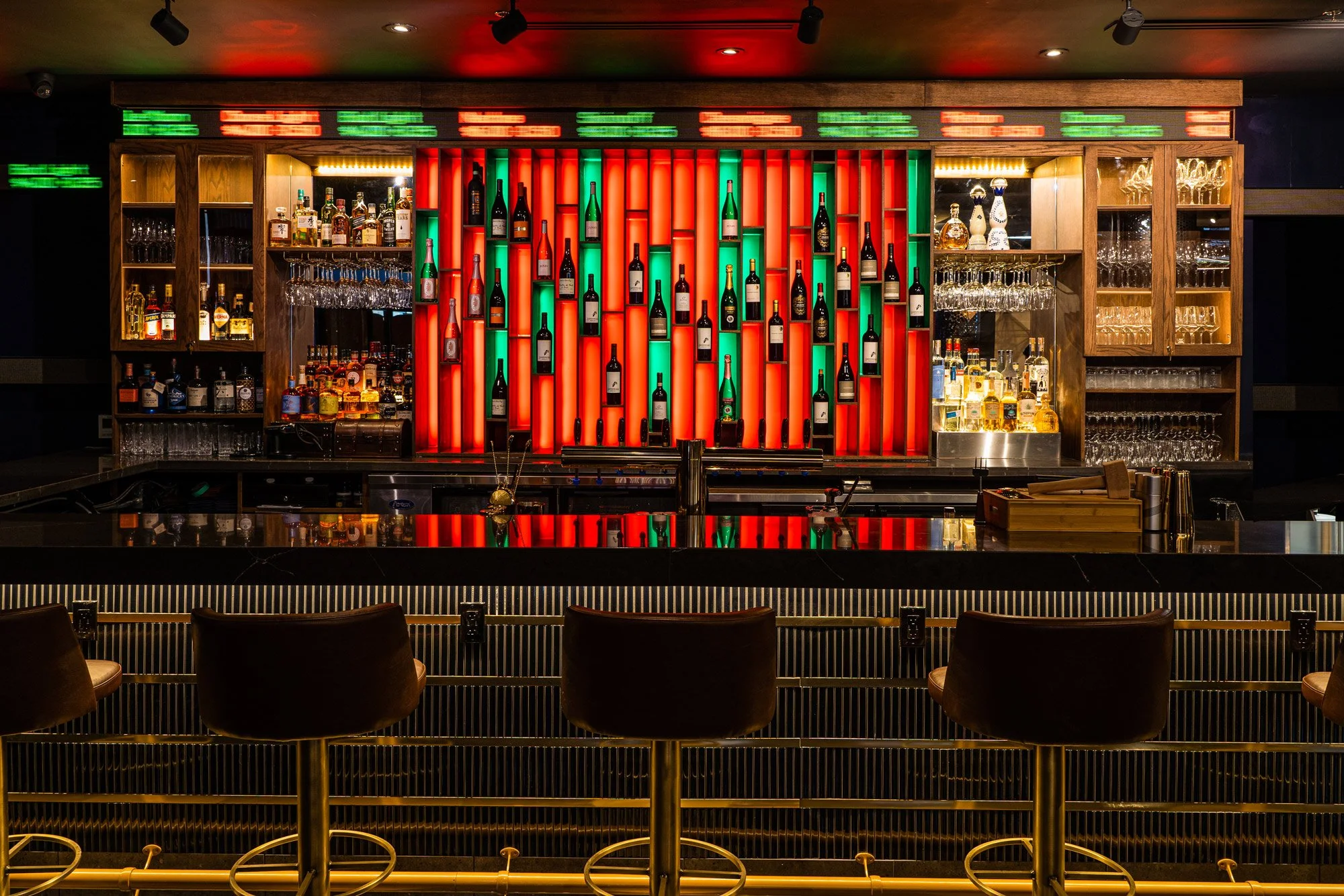
Our client, CKTL & Co. started as a business plan. We adjusted location and overall strategy based on the early development, and they opened with huge success.
The most important first step to a successful launch is a detailed Business Plan. Many people think that business plans are just for getting bank financing. We recently had a client who told us straight out that they didn’t need a business plan as they were self-financing their opening.
Absolutely, Business Plans are 100% required for bank financing. But they play a much more critical role for a soon-to-be restaurateur – they literally plan out how the operation is going to work — how much it is going to cost, how it is going to make money and what the ROI is.
I can’t tell you how many restaurants call us for help 6 months after they have launched, and there isn’t much we can do – the plan was wrong from the start. The space is too big, the space is wrong, the kitchen is too big, the menu isn’t executable efficiently, and so on.
I also can’t tell you how many people come to us with their ideas to open a restaurant, and through the Business Plan phase, they either abandon their idea as it just isn’t going to work, or we work through it with them and modify it into a workable model that is set up for success.
There are many things that go into a Business Plan, but what are some of the critical things that are part of the plan or get established through a proper planning process:
The Opening Budget
So many people have a guesstimate as to what their opening budget is going to be. Usually, they are way off the mark, but because they haven’t thought through everything that is required prior to opening day. Often, they just plan for the renovation and equipment costs. But they leave out things like rent deposit, opening inventory, staff training costs prior to launch, legal costs and more. Detailing out all of the opening costs accurately provides a true cost to launch and allows you to properly finance the operation. Nothing can tank a successful opening faster than being short money and still 6 weeks from opening – that leads to a opening with cut corners and a horrible guest experience for the first customers trying the new establishment.
The Income Statement
The income statement is obviously a key part of the business plan. The majority of people know this. But getting this as right as possible is key. Too many plans that we see have income statements that are lacking expense items and thereby showing a way greater profit than is realistic (eg. credit card commissions are a common on which typically run about 2 – 2.5% of sales). But too many plans we see are also not based on the concept itself. We will often see plans that have a labour budget based on what an industry “norm” is. But industry norms don’t relate to the concept. For many clients when we do a plan and build out what the true labour model is going to be for the concept, the labour is very different than a “norm”. Accuracy and reality to the concept that is being created is critical to having a truly representative profit model.
The Size of the Space
The size and layout of the operation is incredibly important to understand. Many people want to minimize square footage as it will keep their rent low – and yes, this is a good thing. But people don’t also realize how much minimizing square footage can lower start up costs. Generally speaking, a renovation to an empty shell costs $400 per square foot – this can be more or less depending on the finishes, etc. but this has gone up enormously since pre-Covid days. This means that if you have 800 square feet of space that you don’t really need, your opening renovation costs have gone up by $320,000. This makes financing a bigger challenge and also makes the potential ROI of the project as a whole much lower. A well thought out and efficient space saves start up cost and saves rent expense – both of those combined can make a far better outlook and ROI for the business
The Concept, the Brand and the Menu.
These are obviously 3 core components to whatever it is that you are launching – and all 3 are incredibly important in hospitality. A lot of clients will come to us with a menu idea but without a sense of the concept and the brand. It is critical to look at these things as a package and how they all work with one another. Restaurant guests are not there for the menu (although they may think they are), they are not there for the décor, they are not there for the service, they are not there for the vibe, and so on. Restaurant guests are there for the experience – an experience which encompasses all of those things combined and more. A good business plan will solidify not just what the menu is, or what the opening budget looks like – a good business plan will solidify what the guest experience is supposed to be and how that is being delivered in a way that makes for a profitable business model.
If you are opening a restaurant, be sure to begin the journey with a highly accurate, detailed and thought out Business Plan. It is critical to your success. We did a plan for one of our clients who then didn’t move forward with the project as the plan just didn’t provide the ROI – the vision he had didn’t work when planned out and thought through on paper. And he told us after that our fee was the best money that he had spent in his life – as we had just saved him a million dollar loss and years of hard work to go with it.