
Training for Success
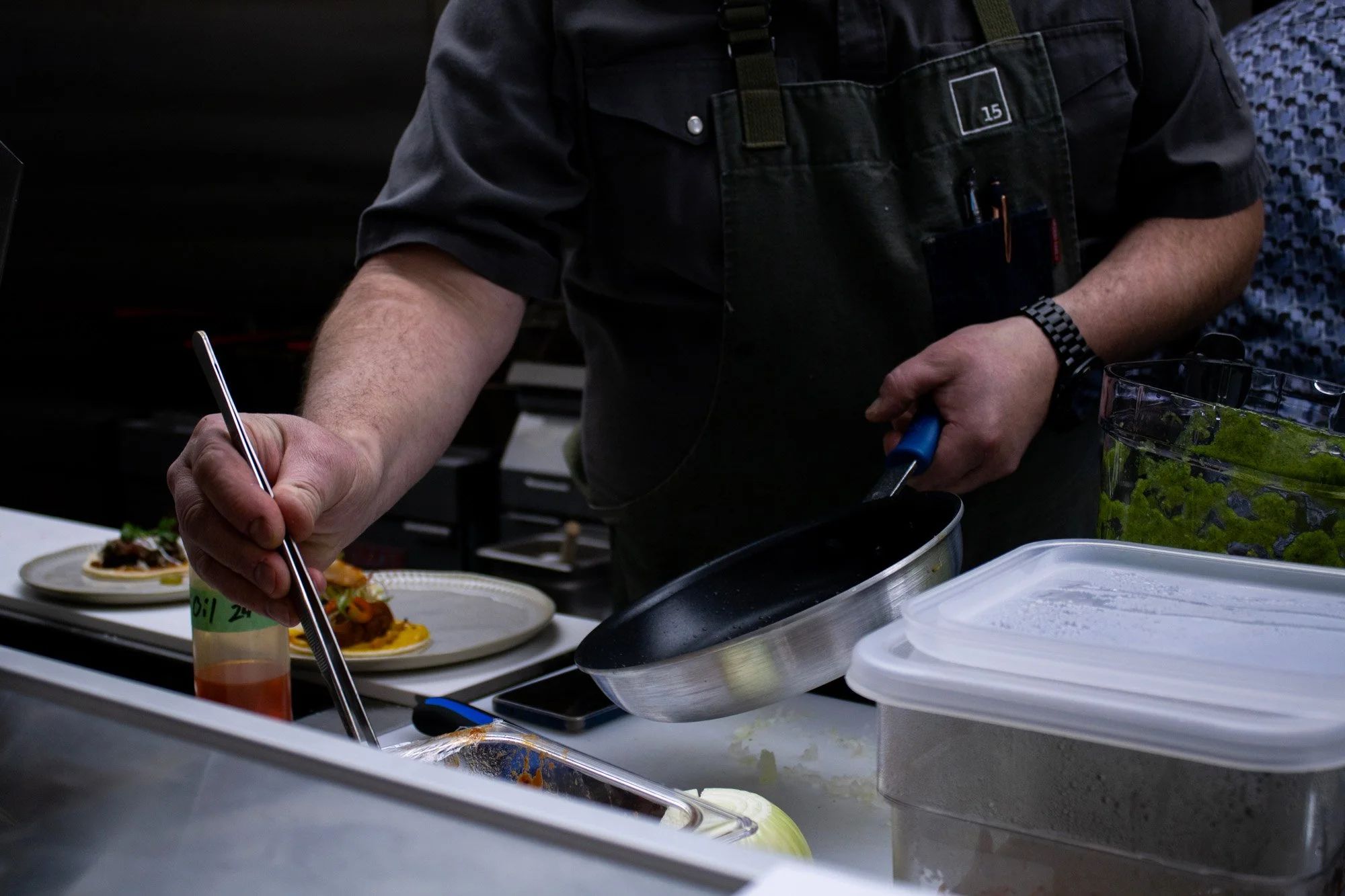
Our Executive Chefs are Staff Training experts. CCC Tim Cuff seen here performing training onsite at our client, Broken Spanish
It’s clear that restaurants need to invest in their staff like never before, and a key component of this is thoughtful staff training. With a limited pool of workers, hiring “for desire,” based on a candidate’s values and attitudes, and training “for mechanics” by spending the time to ensure this person is well-versed in your restaurant operation will be an effective strategy.
Training does not end after a staff member’s first week. With staffing shortages and constant turnover, great service can fall by the wayside; building training into your budget year-round is important. A simple way to practice this is through pre-shift meetings. They offer the opportunity to connect with staff and focus on areas of the business or service that need improvement.
We always recommend taking advantage of tools to support your staff and management. Scheduling systems, communication tools, and learning management systems allow effective management practices and systems and procedures to be implemented and tracked easily. These tools will differ based on the size and scale of your restaurant, but are effective regardless.
Restaurants are notorious for breeding challenging and sometimes toxic work environments.
COVID acted as the catalyst for change for many workers to switch industries, and now they’re not looking back. Employers must offer a better work culture going forward and treat staff with respect; it is an employee’s market, and people will no longer settle for less. Only those who wholeheartedly embrace creating positive work environments will attract talent.
When done right, staff training gives staff the sense that you are contributing to their development and, ultimately, their ability to make more money. Research shows that staff who feel supported and appreciated are more likely to be happier in the workplace. When staff are happy, they tend to provide better service to your guests.
Open lines of communication and systems in place for providing feedback and complaints need to be established. Relationships among management and employees must be built on respect and the understanding that there are new standards and values that staff are looking for. But as always, actions speak louder than words: you must be prepared to demonstrate your restaurant is a positive, beneficial workplace to potential employees by sharing examples of practices in place or providing references from current staff. If you create a great work environment, you can also offer existing staff referral payments to bring other great people into the fold.