
How to Reduce Food Cost in a Restaurant Without Cutting Quality
How do you reduce food cost in a restaurant without hurting quality? This guide breaks down where restaurants quietly lose money and the practical steps to regain control of food costs and profitability.
How to Reduce Food Cost in a Restaurant Starts With One Hard Truth
Most restaurants are not losing money because of low sales. They are losing it in the kitchen, one small decision at a time.
Rising costs have made that gap harder to ignore.
Operators are spending an average of 37% more on food due to tariffs and supply pressure, which means even small inefficiencies now have a direct impact on profit.
As of early 2026, wholesale food prices still remain roughly 34% above pre-pandemic levels across the industry.
The problem is that food cost issues rarely show up as one clear mistake. They build slowly through waste, inconsistent portions, poor tracking, theft, and menu decisions that do not hold up under pressure.
That is why reducing food cost is not about cutting corners or lowering quality. It is about control.
This guide breaks down how to reduce food cost in a restaurant using practical, proven steps you can apply immediately. Each section focuses on where money is actually lost and how to fix it without disrupting your operation.
It starts with the one thing most restaurants overlook.
Know Your Food Cost Percentage Before You Try to Fix It
Most operators try to reduce food cost before they understand it. That is where the process breaks down.
Food cost is not just a number. It is a signal.
Strong restaurant accounting practices make it easier to identify food cost issues before they impact profitability.
If you are not tracking it properly, you are making decisions without knowing what is actually happening in your kitchen.
At a basic level, food cost is calculated as cost of goods sold divided by total food sales. That tells you how much of your revenue is being consumed by ingredients.
But that number on its own is not enough.
You also need to understand the difference between what your food cost should be (theoretical cost) and what it actually is (actual cost). That gap comes from waste, over-portioning, spoilage, and poor tracking. It is where most profit disappears.
A healthy food cost benchmark for many restaurants falls between 28% and 35% of revenue. If you are consistently above that range, there is a structural issue that needs attention.
| Restaurant Type | Typical Food Cost % | Prime Cost Target (Food + Labor) | Source/Example |
|---|---|---|---|
| Full-Service | 28–35% | Under 60% |
Vanta Insights WhippleWood |
| Quick-Service / Limited-Service | 30–35% | Under 60% | Vanta Insights |
| Fine Dining | 30–35%+ | Higher due to premium ingredients |
Leverage Buying Group Vanta Insights |
| Overall Average | 32% | — |
WhippleWood Vanta Insights |
Keep it simple and focus on two things:
Your current food cost percentage
The gap between theoretical and actual cost
Once you have clarity on those numbers, you are no longer guessing. You can see exactly where the problem starts.
Next, you need to identify where those losses are actually happening.
Where Food Cost Leaks Actually Happen
Like many restaurant problems and solutions operators deal with, food cost issues rarely come from one big mistake.
Most of them are easy to miss during service but add up quickly over time. Over-portioning - either accidental or intentional, spoilage, poor inventory control, outright theft, and menu inefficiencies all contribute to higher costs without being obvious.
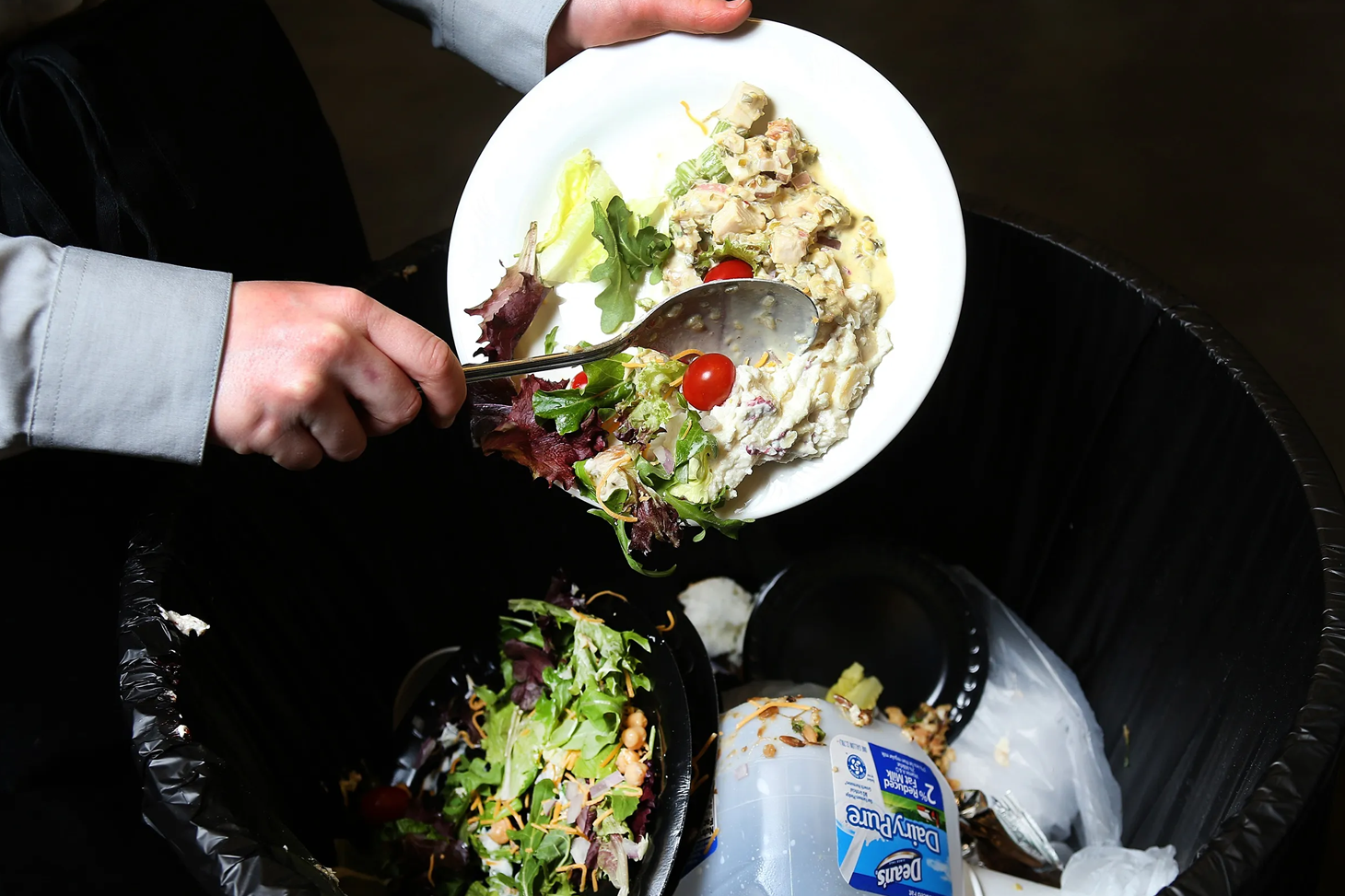
The scale of waste alone is significant. Over 46% of food in Canada is wasted each year, with a large portion avoidable - restaurants and foodservice contribute significantly through prep, spoilage, and plate waste.
A meaningful share of that happens within foodservice operations.
Focus on the most common leak points:
Portion inconsistency
Waste and spoilage
Weak inventory tracking
Staff theft
These issues do not show up all at once. They build gradually and reduce your margin without clear warning. A note on staff theft: nobody wants to think that their staff are stealing from them. A lot of the time it isn’t done with recognition that that’s what it is, but we come across it consistently enough that it’s worth mentioning.
Once you know where the leaks are, the next step is controlling them before they compound.
Track Food Costs Weekly, Not Monthly
If you are reviewing food cost at the end of the month, you are reacting after the damage is done.
Food cost needs to be tracked weekly to catch issues early and adjust before they compound. This is where most operators gain control quickly.
Regular tracking also gives you something more valuable than just a number. It shows trends. You can see when costs start drifting, when waste increases, or when purchasing patterns change.
The impact is measurable. Weekly tracking and variance analysis can drive 3 to 6 percent improvement in food cost within a single quarter.
Keep it simple and consistent:
Count key inventory weekly
Compare actual usage vs expected usage
Flag anything that does not align
The goal is not complexity. It is visibility.
Once you can see what is happening in real time, you can correct it before it becomes a larger problem.
Tracking shows you where the problem is. It also shows your staff that someone is watching and can improve stats on theft without having direct confrontation. The next step is making decisions that protect your margins.
Use Menu Engineering to Protect Your Margins
Most menus are built around what sells, not what makes money.
That is where margin gets lost.
Restaurant menu engineering fixes this by evaluating each item based on popularity and profitability, not just food cost. When you look at both together, it becomes clear which items drive profit and which ones drag it down. You can also achieve better value perception from your guest by having a properly costed menu.
The impact is direct. Optimizing your menu mix can improve margins by 2 to 5 percent, often without increasing prices.
Focus on three actions:
Promote high-margin, high-volume items
Reprice or adjust low-margin items
Remove items that underperform on both fronts
This is not about cutting your menu down randomly. It is about aligning it with how your business actually makes money.
Once your menu is working for you, the next step is making sure every dish is executed consistently.
Control Portions and Standardize Recipes
Even a strong menu loses money if execution is inconsistent.
Small portion differences on high-volume items add up quickly. A few extra grams per plate, a few extra mL in a drink, repeated across hundreds of orders, quietly pushes your food cost higher without being obvious.
This is where standardization matters.
Every item should have a clear recipe, defined portions, and consistent prep steps. Without that, your team will rely on judgment, and that is where variance starts to grow.
Focus on control, not complexity:
Use exact recipes with defined quantities
Train staff to follow the same method every time
Use scales or portion tools where it makes sense
Inconsistent portions are one of the most common causes of food cost variance, and one of the easiest to fix with discipline.
When execution becomes consistent, your numbers stabilize. That gives you a much clearer view of where costs are coming from.
Once portions are under control, the next step is managing how inventory moves through your kitchen.
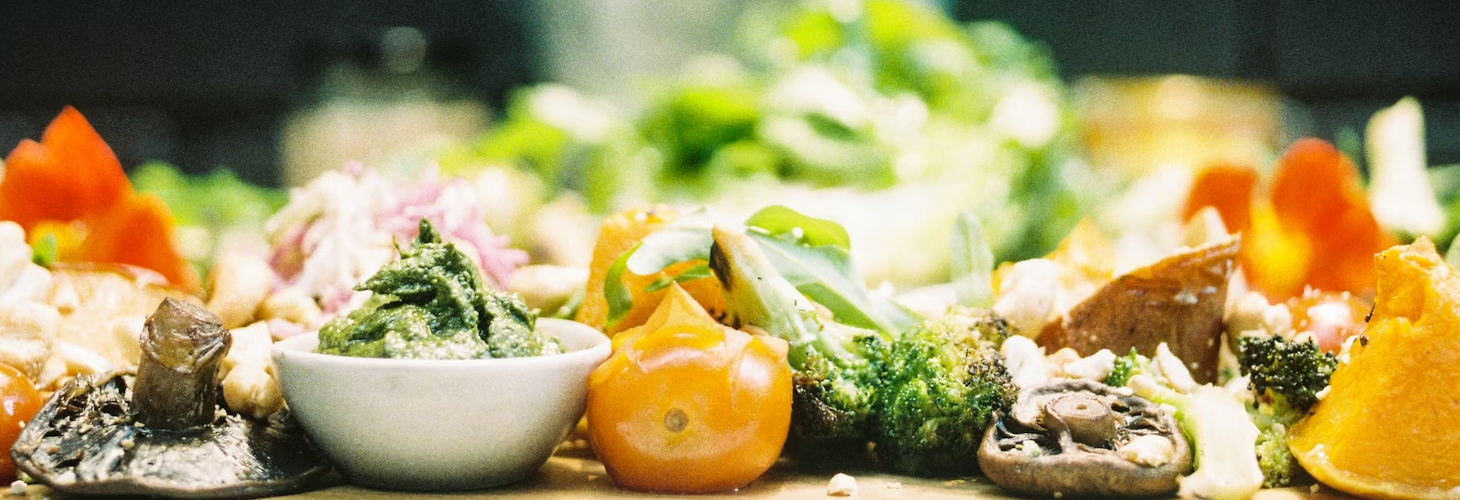
Reducing food cost is not about cutting quality. It is about improving control, consistency, and the systems behind your operation.
Fix Inventory Management and Purchasing
You cannot control food cost if you do not control how inventory moves through your kitchen.
Most losses happen between ordering and usage. Over-ordering leads to spoilage. Poor tracking leads to shrinkage. Inconsistent purchasing creates price volatility. Inconsistent prep and poor cutting techniques reduce ingredient yield.
The fix is discipline and structure.
Start with the basics:
Use FIFO so older stock is used first
Run cycle counts on high-value items
Compare what you purchased to what was actually used
Then tighten your purchasing strategy.
Relying on a single supplier limits your flexibility. Using multiple suppliers and adjusting based on pricing and availability helps reduce cost pressure, especially when markets shift.
Keep it practical:
Use 2 to 3 suppliers per key category
Buy based on forecast, not habit
Track price changes regularly
Better purchasing does not mean buying cheaper. It means buying smarter.
Once inventory is controlled, you reduce one of the biggest sources of waste. The next step is eliminating what never should have been wasted in the first place.
Reduce Waste Before It Hits the Garbage
Waste is one of the biggest hidden drivers of food cost.
It shows up in spoiled inventory, over-prep, unused trimmings, and items that never get sold. Most of it is preventable, but it goes unnoticed because it happens in small amounts throughout the day.
The scale is significant. Restaurants contribute to a system where over 46% of food in Canada is wasted each year, much of it avoidable.
The goal is not perfection. It is control.
Focus on practical fixes:
Track waste daily, not occasionally
Store and label inventory properly
Repurpose usable ingredients into specials or prep items
Adjust ordering based on actual usage
Waste reduction is not just a cost exercise. It improves consistency and forces better planning across your kitchen.
When waste is under control, your costs become more predictable. From there, pricing becomes the final lever to protect your margins.
Adjust Pricing Strategically Without Hurting Demand
Reducing food cost is not only about cutting waste or tightening operations. Pricing plays a direct role in protecting your margins.
The mistake is treating pricing as a one-time decision.
Costs change, and your menu needs to reflect that. Many operators have already adjusted. In 2025, 71% of Canadian restaurants raised prices by an average of 13%.
The key is doing it with control.
Focus on targeted adjustments:
Increase prices on high-demand items where value is clear
Avoid across-the-board increases that impact perception
Pair price changes with menu improvements or portion clarity
Consider a dynamic pricing structure for platforms with additional fees
Pricing works best when it is tied to data, not guesswork. When you understand your margins and item performance, you can make adjustments without damaging demand.
At this stage, your costs are controlled across operations, inventory, and pricing. The final step is turning this into a simple plan you can execute consistently.
30–90 Day Action Plan (Make It Practical)
Most food cost strategies fail because they are too complex to execute consistently.
You do not need a full overhaul. You need a clear sequence.
Start with the basics and build from there:
Week 1: Calculate your current food cost and run a waste audit on your top items
Month 1: Implement portion control and begin weekly inventory tracking
Month 2: Optimize your menu and tighten supplier strategy
Keep the focus on measurable progress. The goal is to move your food cost toward a stable range without disrupting operations.
For most concepts, that means working toward the 28% to 35% rangeover time, based on your model and pricing structure.
Small improvements compound quickly. A few percentage points recovered in food cost can translate directly into stronger margins.
Once this process is in place, the key is consistency.
Small Fixes, Big Impact
Reducing food cost is not about one major change. It is about tightening the details that affect your margins every day.
Most losses come from small gaps across tracking, menu decisions, execution, and waste. When those are controlled, your numbers stabilize and your operation becomes easier to manage.
Many of these systems should ideally be implemented early when learning how to open a restaurant in Canada, rather than corrected later once costs begin rising.
The difference is consistency.
Restaurants that improve margins are not doing more. They are measuring regularly, adjusting early, and holding their standards across every shift.
If you apply the steps in order and stay disciplined, even small improvements in food cost will have a direct impact on profitability.
That is how you turn food cost from a problem into a controlled part of your business.
Struggling With Rising Food Costs and Shrinking Margins?
Most restaurants do not lose profitability from one major mistake. It happens through waste, weak cost controls, inconsistent portions, poor inventory management, and menu decisions that quietly drain margins over time.
Our restaurant consulting services help operators identify where money is being lost and build practical systems that improve profitability without sacrificing quality or guest experience.
From restaurant menu engineering and food cost control to operational systems, inventory management, and restaurant staff training, we help restaurants create stronger, more sustainable operations.
Better margins start with better control.
Frequently Asked Questions
-
Startup costs typically range from $250,000 to $1M+, depending on size, concept, and location.
-
Most openings take 6 to 18 months, depending on bank loans, permits, construction, and approvals.
-
You will need business registration, a municipal licence, health permits, and possibly a liquor licence depending on your concept. Requirements vary by province and city.
-
The biggest mistake new restaurant owners make is underestimating how difficult and operationally demanding the business really is.
Many focus heavily on the food or concept while neglecting the systems that actually keep a restaurant profitable: financial planning, labour control, restaurant menu engineering, kitchen flow, training, inventory management, and working capital. They often open too quickly, overspend on build-outs, or assume customers will come automatically without a clear positioning and operational strategy.
A restaurant can survive imperfect food longer than it can survive weak operations and poor cash flow.