
Restaurant Lease Negotiation Tips to Avoid Expensive Mistakes
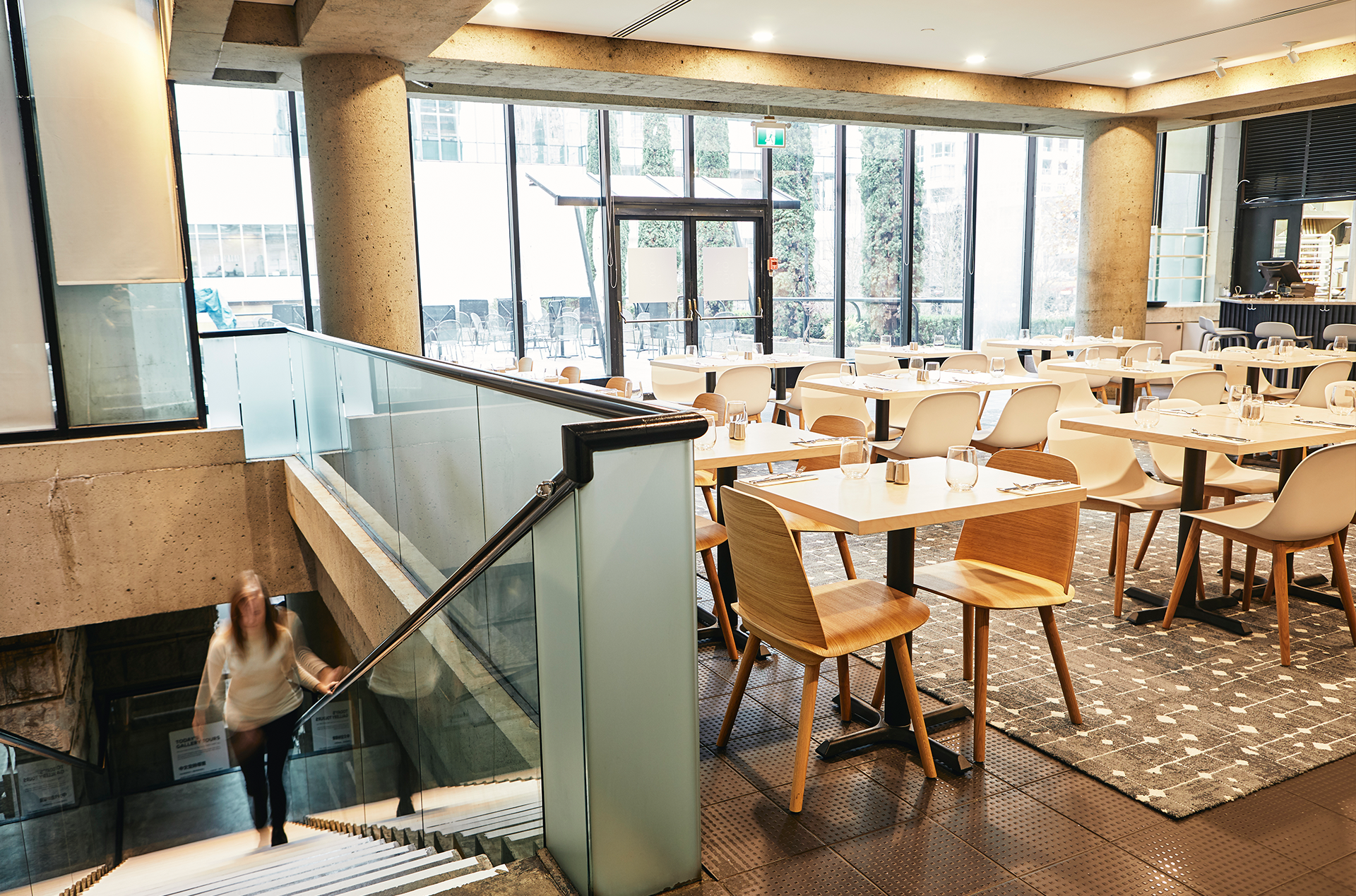
This guide shares practical restaurant lease negotiation tips to help operators reduce risk, protect profitability, and avoid expensive lease mistakes.
Most restaurant owners spend months planning the concept, menu, and buildout — then rush through the lease negotiation.
That can become a very expensive mistake.
A restaurant lease affects profitability, cash flow, operational flexibility, and long-term stability. Bad lease terms quietly create pressure for years.
That matters even more today, when restaurant margins are already thin. Statistics Canada reported restaurant operating profit margins were only 4.1% in 2024, while rental and leasing costs represented 8.1% of total operating expenses.
Many operators focus only on base rent. In reality, CAM charges, escalations, repair obligations, and restrictive clauses often create the bigger financial problems later.
Strong lease negotiation is really about reducing long-term risk.
This becomes especially important during the early steps to opening a restaurant, when construction costs, delays, and cash flow pressure are already high.
Before negotiating terms, operators need to fully understand what the lease will actually cost the business over time.
Understand the Real Occupancy Cost
The cheapest rent on paper is often the most expensive lease in reality.
Many operators focus only on base rent and ignore CAM charges, taxes, maintenance, insurance, and percentage rent clauses. CAM (Common Area Maintenance) charges are shared property expenses that tenants help pay for, including things like snow removal, landscaping, parking lot maintenance, security, and property management. Those costs can quietly destroy margins later.
CAM and operating costs can increase effective occupancy costs by 20–40%.
Ask questions like:
“Can we review historical operating costs and CAM reconciliations from the last few years?”
“What exactly is included in additional rent?”
“Are CAM costs capped annually?”
“Who is responsible for major HVAC or mechanical repairs?”
“Can we audit operating expense reconciliations annually?”
Always request historical expense statements before signing.
Once operators understand the real occupancy cost, the next step is protecting cash flow during buildout and opening.
Negotiate Free Rent and Buildout Support
A restaurant can run out of cash before it even opens.
Negotiate free rent, fixturing periods, and tenant improvement allowances before discussing final rent. Landlords are often more flexible early in the process.
Tenant improvement allowances in the Greater Toronto Are (GTA) commonly range from $50–150 per square foot.
Ask questions like:
“Would the landlord consider additional rent relief if permitting or construction delays occur?”
“Who is responsible for HVAC, exhaust, grease trap, and plumbing upgrades?”
“Can fixturing periods begin before the lease officially starts?”
“Will unused tenant improvement funds be credited toward rent?”
“What happens if construction timelines are delayed outside the tenant’s control?”
This matters even more during the early steps to opening a restaurant, when upfront costs are already high.
Reducing upfront pressure helps, but long-term rent structure matters just as much.
Watch Out for Aggressive Rent Escalations
Small annual increases become major financial problems over a 10-year lease.
Be careful with compounded escalations, CPI-linked increases, and percentage rent structures. What looks manageable today may become unaffordable later.
Canada is projected to lose roughly 4,000 net restaurants in 2026 amid rising operating costs and weaker traffic.
Ask questions like:
“Can we structure fixed increases instead of compounded annual escalations?”
“Is there a cap on annual rent increases?”
“How is CPI calculated if inflation spikes?”
“At what sales threshold does percentage rent begin?”
“Can escalation increases be delayed during slower economic periods?”
Predictable occupancy costs are much easier to manage long term.
Beyond cost structure, operators also need lease protections that support the business operationally.
Protect the Restaurant Operationally
Some lease clauses can quietly limit how your restaurant actually operates.
Pay close attention to exclusivity clauses, patio rights, signage, liquor licensing, delivery permissions, and operating hours. Weak language here can create major problems later.
Ask questions like:
“Does the exclusivity clause specifically protect our cuisine category and service model?”
“Are there any restrictions on delivery, takeout, or late-night operations?”
“Can patio seating be expanded later if business demand grows?”
“Are signage approvals fully controlled by the landlord?”
“Does the use clause allow future menu or concept adjustments?”
“What happens if another tenant begins offering a similar concept?”
Operators focused on how to scale a restaurant business should also make sure the lease allows future flexibility as the concept evolves.
Strong operational protections today prevent expensive problems later.

Strong restaurant lease negotiation can protect profitability, reduce long-term risk, and create more financial flexibility before and after opening.
Negotiate Exit and Transfer Flexibility
Many restaurant owners only discover bad lease terms when they need to leave.
Pay close attention to assignment rights, sublease rights, relocation clauses, demolition clauses, and personal guarantees. Restrictive language can make it very difficult to sell the business or exit cleanly later.
Approximately 44% of Canadian restaurants were operating at a loss or barely breaking even as of late 2025.
Ask questions like:
“Under what circumstances can the landlord reject a future assignment or sale?”
“Can the lease be transferred without restarting negotiations?”
“Does the landlord have relocation rights within the property?”
“Can personal guarantees expire after a certain period?”
“What termination rights exist if the business underperforms?”
Operators trying to understand how to fix a failing restaurant often realize too late how restrictive lease terms can limit recovery options.
Strong exit flexibility protects the business if conditions change later.
Use Market Leverage During Negotiations
Landlords negotiate differently when they know you have options.
Research comparable rents, vacancy rates, competing locations, and how long the space has been empty. The more informed you are, the stronger your position becomes.
Professional lease negotiations can reportedly reduce total lease costs by 15–25%.
Ask questions like:
“How long has the space been vacant?”
“What tenant improvements were offered to previous tenants?”
“Are other nearby units leasing at similar rates?”
“What flexibility exists on fixturing periods or escalations?”
“Can operating costs be capped annually?”
A strong restaurant business plan can also improve negotiating leverage by helping landlords feel more confident in the long-term stability of the operation.
Operators with alternatives almost always negotiate better deals.
Document Every Agreement Clearly
If it is not written into the lease, it usually does not exist.
Verbal promises about repairs, construction timelines, signage, patio rights, or rent relief often disappear later if they are not properly documented.
Ask questions like:
“Can this be added directly into the lease language?”
“Who is responsible for future repairs and replacements?”
“Are construction timelines clearly documented?”
“What notice periods apply for disputes or renewals?”
“Do we have audit rights for operating expenses?”
Have an experienced commercial real estate lawyer review every draft before signing.
At the end of the day, restaurant lease negotiations are not just about securing a space — they are about protecting the long-term health of the business.
A Strong Lease Can Protect Restaurant Profitability for Years
A restaurant lease impacts far more than monthly rent. It affects cash flow, operational flexibility, profitability, and long-term stability.
Small lease mistakes made early can create years of financial pressure later.
The strongest operators negotiate leases with the same discipline they apply to operations, labour, and cost control. They ask harder questions, document everything clearly, and protect flexibility before signing.
At The Fifteen Group, we help restaurant operators evaluate occupancy costs, operational risks, and growth opportunities through practical hospitality strategy and restaurant consulting services.
Frequently Asked Questions
-
Restaurant owners should negotiate far more than base rent. Key areas include CAM charges, rent escalations, tenant improvement allowances, free rent periods, exclusivity clauses, repair responsibilities, assignment rights, and personal guarantees. Small lease details can significantly affect long-term profitability.
-
CAM stands for Common Area Maintenance. These are additional charges tenants pay for shared property expenses such as landscaping, snow removal, parking lot maintenance, security, and property management. CAM charges can significantly increase total occupancy costs if they are not reviewed carefully.
-
Yes. Free rent and fixturing periods help reduce cash flow pressure during construction, permitting, and opening. Many landlords are willing to negotiate rent relief before the restaurant begins operating, especially in slower leasing markets.
-
Most restaurant lease terms range from 5–10 years with renewal options. Operators should balance stability with flexibility. Long terms can protect location security, but restrictive leases without exit options can create risk if business conditions change.
-
Absolutely. Rent structure, CAM charges, escalations, repair obligations, and restrictive clauses all directly affect profitability. In an industry with already thin margins, poorly negotiated lease terms can create long-term financial pressure even if sales remain strong.