
The Most Important Steps to Opening a Restaurant Successfully

Planning to open a restaurant? This guide breaks down the most important steps to opening successfully, including concept planning, budgeting, permits, staffing, and operations.
Most restaurants do not struggle because of the food. They struggle because the business was not operationally prepared for how demanding the industry really is.
Opening a restaurant requires disciplined planning across finances, staffing, permits, systems, and operations long before the doors open. In an industry with extremely tight margins, small mistakes can become expensive quickly.
According to Statistics Canada, Canadian foodservice operating profit margins were only 4.1% in 2024.
The restaurants that succeed long-term are usually the ones that make practical decisions early — from building a focused concept to controlling startup costs and creating strong operational systems before launch.
In this guide, we will break down the most important steps to opening a restaurant successfully and where operators should focus their attention before opening day.
Start With a Clear Restaurant Concept and Business Plan
Most restaurants become too complicated before they become profitable.
A strong restaurant concept should be focused, operationally realistic, and built around a clear customer need. Broad menus, unclear positioning, and overly ambitious ideas often create unnecessary labour, inventory, and training problems early on.
For example, a new restaurant may try to operate as a brunch café, cocktail bar, steakhouse, and late-night lounge all at once. While the concept may sound exciting creatively, it usually creates operational strain through larger inventories, more prep requirements, inconsistent staffing needs, longer ticket times, and higher food waste.
Many operators rush into opening before fully understanding how to open a restaurant in Canada with a realistic operational and financial plan.
This is why the business plan matters. Operators should understand projected labour costs, food costs, occupancy costs, startup expenses, and realistic sales expectations before committing to a lease or buildout.
Focused concepts also tend to perform better operationally. In 2024, limited-service restaurants generated $44.9 billion in revenue, slightly outperforming full-service restaurants at $44.2 billion.
Strong restaurant concept development is usually less about creating something complicated and more about building something operationally sustainable.
| Cost Category | Healthy Range | Danger Zone | Source |
|---|---|---|---|
| Food & Beverage (COGS) | 28–35% of revenue | 38%+ | GFS Canada / VantaInsights |
| Labor Costs (Full-Service) | 30–36% of revenue | 40%+ | Restaurant365 / Restaurants Canada |
| Occupancy Costs (Rent + Related) | 6–9% of revenue (ideal ≤8%) | 10%+ | Toast / 360 Restaurant Consultant |
| Prime Cost Total (Food + Labor) | 55–65% of revenue | 70%+ | NOVA Tab / Bookkeeping Chef |
| Net Profit Margin | 5–10% (strong performers) | Under 3% | Toast / Restaurant365 |
| Startup / Opening Costs (Canada) | $250K – $750K (small to medium) | Over $1M without strong plan | 360 Restaurant Consultant (2026) |
Choose the Right Location Before Signing Anything
A restaurant location should support the business operationally — not just look attractive on paper.
Many operators focus heavily on foot traffic while overlooking zoning restrictions, ventilation requirements, accessibility upgrades, parking limitations, and renovation costs. In many cases, a lower-rent space becomes far more expensive after construction and compliance work begins.
For example, a second-generation restaurant space may look affordable initially, but if the kitchen lacks proper ventilation capacity, grease traps, electrical service, or accessibility compliance, renovation costs can increase dramatically before opening even begins.
A strong location should also support long-term goals if you eventually plan on learning how to scale a restaurant business.
Before signing a lease, operators should confirm zoning, liquor permissions, infrastructure requirements, and renovation feasibility carefully.
The wrong lease can create operational and financial pressure long before the restaurant has a chance to stabilize.
Build Your Financial Plan Around Real Restaurant Economics
Most restaurant budgets look profitable on paper because they underestimate how expensive operations become after opening.
Startup costs are only part of the equation. Operators also need enough working capital to survive slower months, staffing challenges, repair costs, and lower-than-expected sales during the early stages of the business.
Understanding how to fix a failing restaurant often starts with understanding where the financial model broke down in the first place.
Restaurants Canada reported that 62% of restaurants were operating at a loss or barely breaking even in early 2024.
| Phase | Key Actions | Timeline Estimate | Estimated Cost Range (CAD) | Critical Notes |
|---|---|---|---|---|
| Planning & Concept | Business plan, menu development, market research | 1–2 months | $1K–$10K | Validate demand early |
| Legal & Funding | Registration, financing, legal setup | 1–3 months | $5K–$50K+ | Expect lender scrutiny |
| Location & Build | Lease negotiation, permits, renovations & equipment | 2–4 months | $100K–$600K+ | Budget for delays |
| Operations Setup | Hiring, training, POS systems, suppliers | 1–2 months | $20K–$100K | Build systems early |
| Pre-Launch | Marketing, soft opening, final testing | 2–4 weeks | $10K–$50K | Monitor guest feedback |
| Post-Opening | Cost controls, KPI tracking, menu adjustments | Ongoing | Variable | Protect cash flow carefully |
The operators who survive long-term are usually the ones who plan conservatively, control costs early, and leave room for operational setbacks instead of assuming perfect sales immediately after opening.
Start Permits, Licensing, and Operational Setup Early
Many restaurant openings get delayed because approvals and operational setup started too late.
Health permits, food safety certifications, liquor licensing, fire inspections, equipment approvals, and vendor setup can all slow down an opening if they are handled reactively instead of early in the process.
The Government of British Columbia specifically advises restaurant operators to begin permit and licensing work early because approvals and inspections can take significant time.
Operators should also focus on operational setup before launch — including POS systems, kitchen workflow, prep organization, supplier coordination, and inventory systems.
A smooth opening usually comes from preparation behind the scenes, not last-minute problem solving.
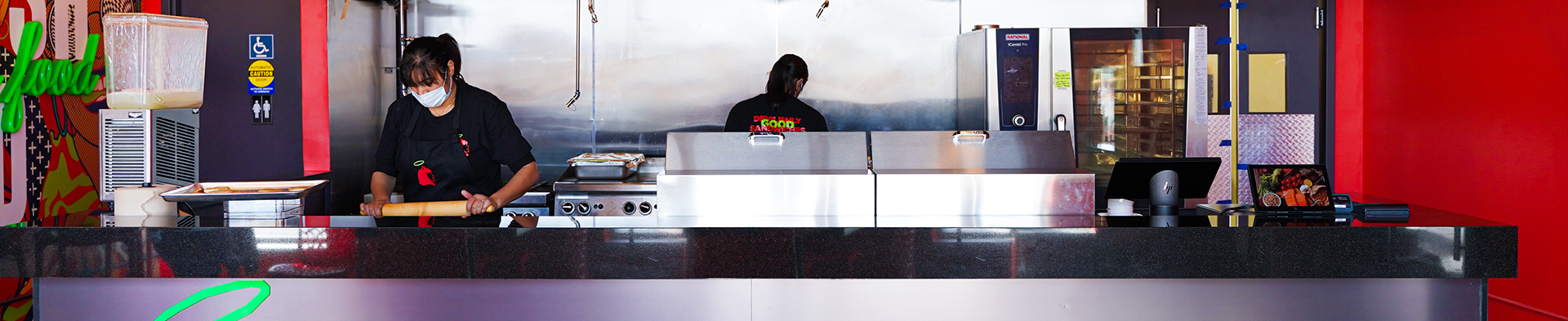
Opening a restaurant successfully requires strong planning, disciplined operations, realistic budgeting, and clear systems from the very beginning.
Hire Carefully and Build Operational Systems Immediately
Restaurants become difficult to manage very quickly when systems rely on memory instead of structure.
Hiring should focus on reliability, consistency, and attitude first. Strong operational habits are usually easier to train than accountability and work ethic.
Many restaurants struggle with how to increase restaurant traffic later because inconsistent service and operations damage repeat business early on.
Operators should build onboarding systems, prep procedures, opening and closing checklists, labour controls, and communication standards immediately — even before the restaurant gets busy.
This matters even more in a thin-margin industry where labour and food costs already consume most operating expenses. In 2024, food costs represented 35.9% of restaurant expenses, while salaries and benefits accounted for another 33.6%.
Working with an experienced restaurant management consultant can also help operators build stronger systems early instead of fixing expensive operational problems later.
Opening a Restaurant Successfully Requires More Than a Good Idea
The restaurants that survive long-term are usually the ones that treat operations with the same seriousness as the menu itself.
Successful openings come from disciplined planning, realistic financial expectations, strong systems, and consistent execution long before opening day.
If you are preparing to launch a new restaurant, investing in professional restaurant concept development early can help prevent expensive operational and financial mistakes later. Strong concepts are not just creative — they are built to operate efficiently, scale properly, and perform sustainably in a competitive market.
At The Fifteen Group, we help restaurant operators develop concepts, operational strategies, and opening plans designed around long-term profitability and operational stability.
Frequently Asked Questions
-
Restaurant startup costs vary significantly depending on the concept, size, location, and buildout requirements. Many small restaurants still require substantial capital for lease deposits, equipment, renovations, permits, staffing, inventory, and working capital before generating stable revenue.
-
One of the most important steps is building a realistic business and financial plan before signing a lease or starting construction. Many restaurants struggle because operators underestimate costs, overestimate sales, or open without clear operational systems.
-
Most restaurant openings take several months from concept planning to launch. Timelines can extend further depending on permits, construction, inspections, equipment delays, and staffing preparation. Starting approvals and operational setup early can help avoid delays.
-
Many restaurants open with limited working capital, unclear systems, high startup costs, or unrealistic sales expectations. In a low-margin industry, small operational problems involving labour, food costs, or cash flow can create significant financial pressure quickly.
-
Before opening, operators should focus heavily on staffing, training, inventory systems, kitchen workflow, vendor setup, labour planning, and operational consistency. Restaurants that prepare systems early usually operate more efficiently once service begins.