
How to Increase Restaurant Traffic and Get More Repeat Customers
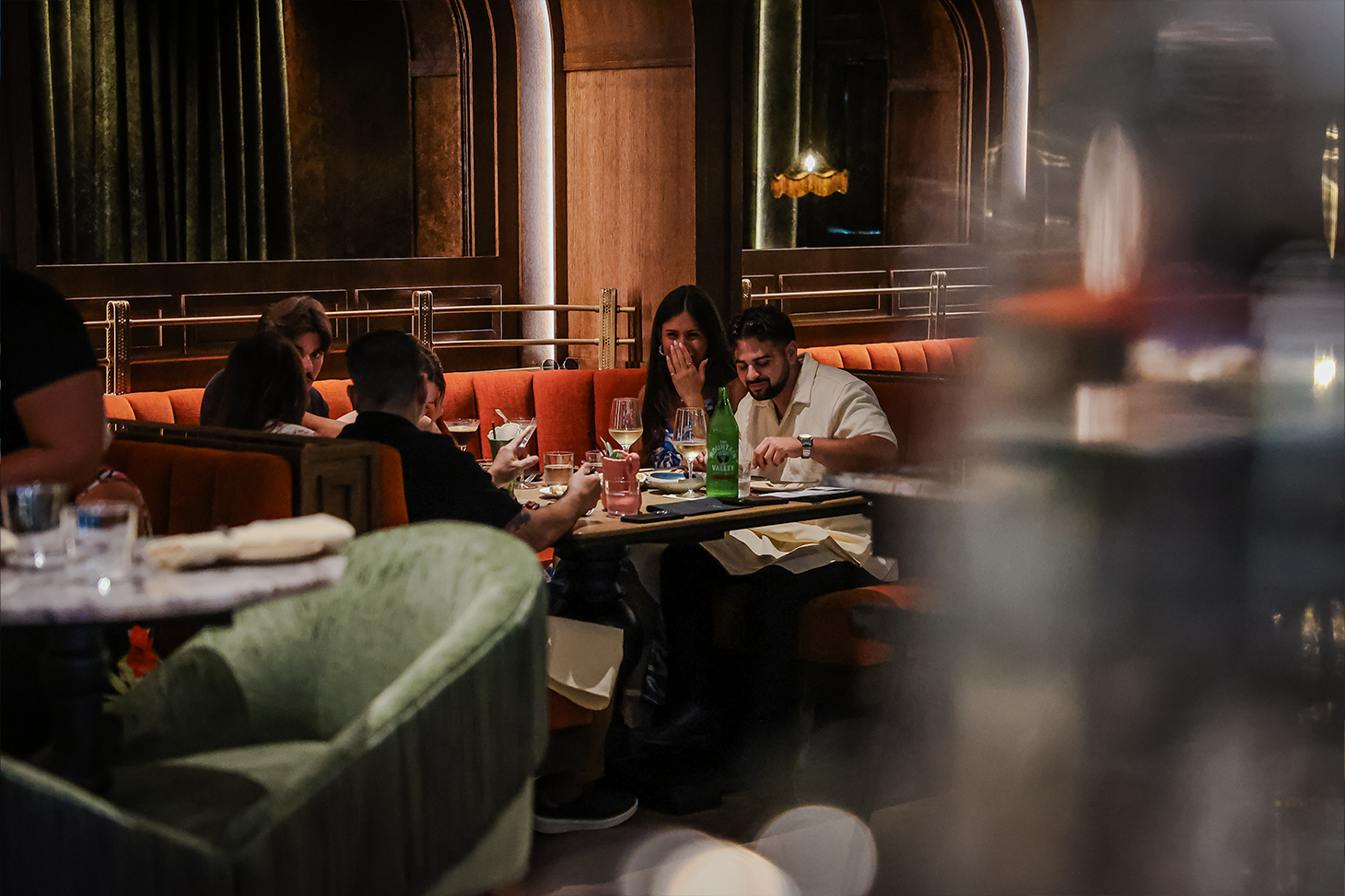
How do you increase restaurant traffic and get more repeat customers? This guide breaks down how to improve visibility, build trust, drive repeat visits, and create more predictable restaurant growth.
How to Increase Restaurant Traffic and Get More Repeat Customers Starts With One Shift
Most restaurants focus on getting new customers, but traffic does not grow consistently until those customers start coming back.
That is where many operators fall short.
Demand is still there, but competition is tighter than ever. Canada is projected to lose ~4,000 restaurants in 2026, which means every guest has more options and makes faster decisions.
The difference is not in who attracts the most first-time visits. It is who turns those visits into repeat behaviour.
Increasing restaurant traffic today is not just about visibility or marketing. It is about being chosen, delivering a consistent experience, and giving customers a reason to return.
This guide breaks down how to increase restaurant traffic and get more repeat customers using practical strategies that reflect how diners actually behave.
It starts with how those decisions are made in the first place.
Win the Decision Moment (Where Traffic Is Won or Lost)
Most dining decisions are made quickly, often within minutes.
Customers do not spend days researching restaurants. They search, compare, and choose based on what they see in that moment. If you are not visible, you are not part of the decision.
A large share of restaurant visits are driven by same-day searches and proximity . That means your ability to show up at the right time matters more than long-term brand awareness alone.
Focus on what influences that moment:
Google Business profile accuracy
Strong, recent photos
Clear menu and pricing
Up-to-date hours and information
These are small details, but they determine whether a customer clicks or keeps scrolling.
If you win that decision window, you earn the first visit. From there, the next step is making sure they choose you with confidence.
Build Trust That Converts First-Time Visits
A strong brand presence, whether developed internally or through a restaurant branding agency, can significantly influence first-time visit decisions.
Getting seen is only the first step. Customers still need a reason to choose you.
Most people are not comparing every option in detail. They are looking for signals that reduce risk and make the decision easier. That is where trust comes in.
Over 90% of diners check reviews before visiting, and about 94% review online feedback before deciding where to eat, which means your online presence directly affects whether someone walks in.
This decision is often made on platforms like Google Maps, Yelp, and Tripadvisor, where visibility, ratings, and recent activity directly influence traffic.
Focus on the signals that matter most:
Maintain a strong and consistent rating
Keep reviews recent and active
Add high-quality, real photos of food and space
Respond to reviews clearly and professionally
These are not marketing extras. They are decision drivers.
When your listing builds confidence, first-time visits increase. The next step is turning those visits into repeat customers.
Focus on Repeat Customers First (Your Highest ROI Traffic)
The fastest way to increase restaurant traffic is not finding new customers. It is getting existing ones to come back more often.
Repeat customers are more predictable, more profitable, and easier to convert because they already know your experience. That is why they should be your first focus.
Loyalty programs make this measurable.
Customers who are part of a loyalty program visit 22% more often and spend more per visit, which directly increases traffic without additional acquisition cost.
Keep it simple and actionable:
Offer a reward after a set number of visits
Send basic follow-ups or offers after a visit
Track who is coming back and how often
This is not about complex systems. It is about creating a reason to return.
When repeat visits increase, your baseline traffic stabilizes. From there, the next step is giving customers a reason to come back sooner.
| Category | Statistic | Implication for Traffic & Retention | Source |
|---|---|---|---|
| Canada Restaurant Outlook | Net loss of ~4,000 restaurants expected in 2026 (after ~7,000 closures in 2025) | Tighter competition — every repeat customer matters more | Dalhousie University Agri-Food Analytics Lab |
| Canadian Dining Intent | Canadians plan to dine out an average of 6 times per month in 2026 | Real demand exists — retention strategies will capture the share | OpenTable 2026 Diner Trends Report |
| Online Reviews Impact | 85%+ of diners check online reviews before deciding where to eat | Google, Yelp, and recent activity directly drive first-time visits | Sunday App / Online Reputation Study |
| Loyalty Program Performance | Members visit 22% more often and account for 39% of all restaurant visits (doubled since 2019) | Highest-ROI traffic source — predictable and profitable | Nation's Restaurant News |
| Experiential Drivers | 48% of diners are more likely to visit for special events, themed nights, pop-ups, or limited-time experiences | Creates urgency and increases visit frequency | OpenTable 2026 Diner Trends |
| Revenue Concentration | 70–80% of revenue typically generated during peak hours only | Strong opportunity to stabilize traffic with off-peak/daypart strategies | Barmetrix |
Give Customers a Reason to Come Back (Not Just “Good Food”)
Good food gets the first visit. A reason gets the next one.
If nothing changes between visits, there is no urgency to return. Customers may like your restaurant, but they will rotate through other options unless you give them a clear reason to choose you again.
Experiences drive that behavior. About 48% of diners are more likely to visit for special events or unique experiences, which shows that traffic is influenced by more than just the menu.
Focus on simple, repeatable drivers:
Weekly events like trivia or themed nights
Limited-time menu items or seasonal specials
Rotating features that create variety
These do not need to be complex. They just need to create a reason to act now instead of later.
When customers have a reason to return sooner, visit frequency increases. The next step is making sure the experience delivers every time.
Fix the Experience That Drives Repeat Visits
A reason to come back only works if the experience holds up.
Customers do not return because of one good visit. They return because every visit feels consistent. When service slows down, food quality varies, or small details slip, repeat traffic drops quickly.
Focus on what customers notice most:
Consistent service across every shift
Reliable food quality and presentation
Speed and accuracy during peak hours
This is where many restaurants lose momentum. Not because the concept is weak, but because execution is inconsistent.
Do not try to improve everything at once. Fix the parts of the experience that are most visible to the guest and most likely to affect their decision to return.
When consistency improves, trust builds, and repeat visits follow naturally.
Once the experience is stable, the next opportunity is increasing how often customers visit across different times of day.
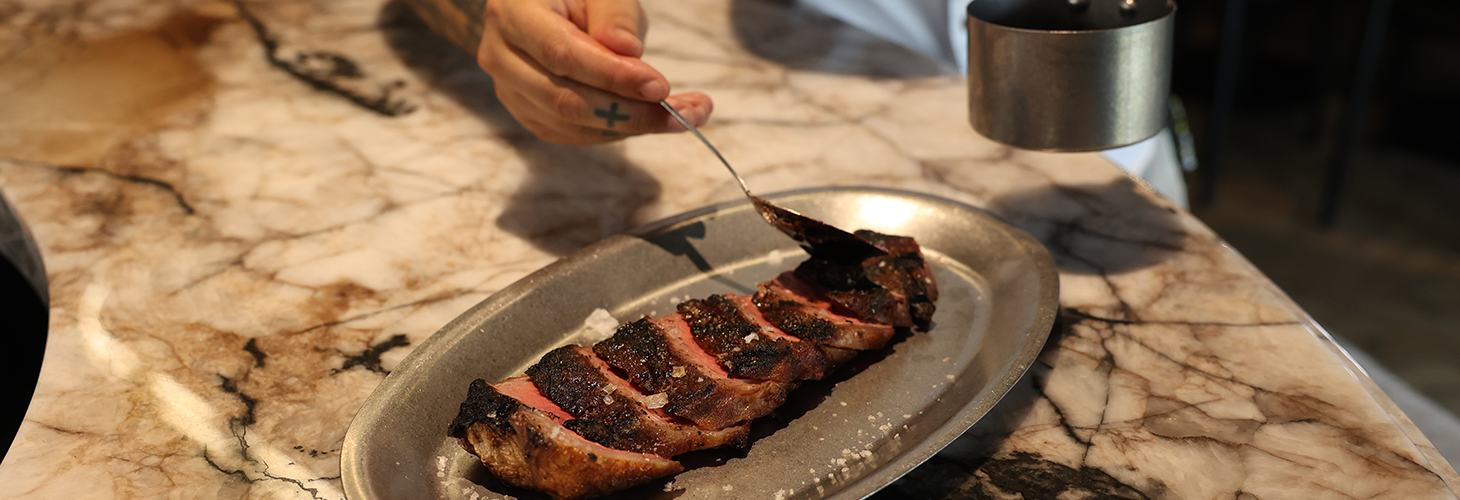
Increasing restaurant traffic is not about one promotion or viral moment. It is about creating consistent experiences and giving customers reasons to keep coming back.
Turn Slow Hours into More Visits (Daypart Strategy)
Most restaurants focus on peak hours and ignore the rest of the day.
Most restaurants generate around 80% of their revenue during just 20% of their operating hours, meaning peak periods dominate performance while off-peak hours remain underutilized
The opportunity is to create reasons to visit outside those windows.
Focus on targeted dayparts:
Mid-afternoon: attract remote workers with light menus or coffee + meal combos
Early week: drive traffic with simple, predictable offers
Late night: capture younger and convenience-driven diners
These do not need to be deep discounts. Position them as convenience or value at the right time.
The goal is to spread demand, not just increase it.
When you fill slow periods, overall traffic becomes more stable. From there, the next step is making it easier for customers to choose you again.
Make It Easy to Choose You Again (Convenience Wins)
Even when customers like your restaurant, they will not come back if it feels inconvenient.
Convenience often outweighs preference in repeat decisions. If ordering is slow, reservations are difficult, or wait times are unpredictable, customers will choose a simpler option.
This behavior is common. A large portion of diners switch between dine-in and takeout regularly, which means ease of access plays a major role in repeat traffic.
Focus on reducing friction:
Make online ordering simple and fast
Keep reservations and wait times clear
Ensure pickup and delivery processes are smooth
Restaurant service training helps teams maintain consistency, speed, and guest experience during high-volume periods
These are small improvements, but they have a direct impact on how often customers return.
When choosing your restaurant feels easy, repeat visits become more consistent. The next step is making sure those visits turn into long-term habits.
Turn One Visit Into a Habit (Retention Systems)
Getting a customer back once is progress. Getting them back consistently is where traffic stabilizes.
Most restaurants rely on memory and goodwill, but repeat behavior needs structure. Without it, even satisfied customers drift to other options.
Retention systems solve that.
Focus on simple, repeatable actions:
Collect basic customer data through POS or reservations
Send follow-ups after visits with a clear reason to return
Use bounce-back offers tied to recent purchases
Set reminders around timing, not just promotions
These do not need to be complex. They just need to be consistent.
The impact compounds over time. Loyalty-driven traffic has continued to grow even when overall traffic is flat, showing that repeat customers are more stable and reliable.
When visits turn into habits, traffic becomes predictable instead of reactive.
These systems are often overlooked early when learning how to open a restaurant in Canada, but they have a major long-term impact on retention and profitability.
At that point, growth is no longer forced. It becomes a result of consistency.
Traffic Grows When Customers Come Back
Increasing restaurant traffic is not about chasing more people. It is about getting more value from the people who already know you.
Demand is still there. About 39% of Canadians plan to dine out more in 2026, which means the opportunity is real for restaurants that execute well.
The difference is consistency.
Be visible when customers are deciding, build trust so they choose you, and give them clear reasons to return. When those pieces work together, traffic stops being unpredictable and starts becoming steady.
Operators also need to understand how to reduce food cost in a restaurant, since traffic growth means little if margins remain weak.
The restaurants that grow are not doing one thing better. They are doing the right things consistently across every part of the experience.
Struggling to Increase Restaurant Traffic Consistently?
More traffic does not come from one promotion or viral post. It comes from building a restaurant people remember, trust, and want to return to consistently.
Our restaurant consulting services help operators improve guest experience, increase repeat visits, strengthen retention, and build systems that support long-term growth.
From restaurant service training and operational consistency to branding, customer experience, and retention strategy, we help restaurants create stronger and more predictable traffic.
The restaurants that grow consistently are the ones customers keep coming back to.
Start building more consistent restaurant traffic.
Frequently Asked Questions
-
Focus on visibility and conversion first. Optimize your Google listing, improve reviews, and run simple, targeted offers during slow periods to drive immediate visits.
-
Create clear reasons to return. Loyalty programs, bounce-back offers, and consistent experience are the fastest ways to increase repeat visits.
-
Yes. Customers in loyalty programs visit 22% more often and spend more per visit, making them one of the highest-impact traffic drivers.
-
Use them carefully. Deep discounts can attract the wrong customers and reduce margins, so focus instead on value-driven offers and timing.
-
They are critical. Most customers check reviews before deciding, and strong ratings with recent activity significantly increase the chances of being chosen.