
How to Choose a Restaurant Location for Better Traffic and Sales

Choosing the right restaurant location can directly impact traffic, profitability, and long-term success. This guide explains how to evaluate demographics, accessibility, occupancy costs, and operational fit before signing a lease.
A busy street does not automatically create a successful restaurant.
Many operators choose locations based on emotion, visibility, or cheap rent without properly evaluating whether the site actually supports the concept financially and operationally.
That mistake becomes expensive quickly.
Restaurant margins are already thin. Statistics Canada reported restaurant operating profit margins were only 4.1% in 2024.
A weak location can quietly create problems with traffic, labour, delivery operations, parking, and long-term profitability long before the food or service becomes the issue.
This becomes especially important during the early steps to opening a restaurant, when operators are making major financial commitments before generating stable revenue.
The best restaurant locations are not always the busiest ones. The best locations are the ones that fit the customer, the concept, and the economics of the business together.
Before evaluating traffic counts or lease rates, operators first need to understand exactly who the restaurant is trying to attract.
Start With the Customer, Not the Space
The wrong customer base can quietly kill a strong restaurant concept.
Before touring spaces, define exactly who the restaurant is trying to attract. Income levels, office density, residential traffic, and customer habits matter more than raw foot traffic alone.
For example, a premium dinner concept surrounded mostly by daytime office traffic may struggle at night despite a busy area.
Ask questions like:
“Who actually lives and works within this trade area?”
“Does this area support our average cheque?”
“What does traffic look like during our peak hours?”
“Are customers destination-driven or convenience-driven?”
The strongest locations align naturally with the restaurant’s customer behaviour, pricing, and operating model.
Once operators understand the customer, they can evaluate whether the location is actually easy to access.
Accessibility Impacts Repeat Business
A difficult location quietly reduces repeat traffic.
Customers may love the food, but if parking is frustrating, access is confusing, or the site is hard to see, repeat visits usually decline over time.
In many cases, a quieter site with easy parking and strong visibility performs better than a busier corner with difficult access.
Ask questions like:
“How easy is it to enter and exit the site during peak traffic?”
“Can customers clearly see the restaurant from the street?”
“Is parking realistic during lunch and dinner periods?”
“Can delivery drivers access the site efficiently?”
Visit the location during multiple dayparts, not just once during the afternoon.
Accessibility matters, but surrounding businesses also heavily influence restaurant traffic patterns.
Study the Surrounding Businesses Carefully
The right neighbours can increase traffic. The wrong ones can hurt it.
Strong restaurant locations are usually supported by surrounding businesses that naturally drive compatible traffic throughout the day.
For example, fast-casual lunch concepts often perform well near office towers, while destination dining may benefit more from entertainment districts or residential neighbourhoods.
Competition is not always bad either. In some cases, restaurant clusters increase visibility and overall traffic for everyone nearby.
Ask questions like:
“What businesses already drive traffic to this area?”
“Do nearby tenants support our peak dayparts?”
“Would nearby competitors help or hurt visibility?”
“Is the neighbourhood growing or declining?”
Study actual traffic behaviour, not just tenant names on a leasing brochure.
Strong traffic means very little if the economics behind the site do not work.
Make Sure the Economics Actually Work
A busy restaurant can still lose money in the wrong location.
Many operators focus heavily on traffic and ignore occupancy costs, CAM charges, buildout expenses, and long-term lease affordability. Strong sales mean very little if the margins do not work.
Restaurant occupancy costs should ideally remain under roughly 10% of sales.
Ask questions like:
“What are total occupancy costs beyond base rent?”
“How much buildout work is required?”
“Does projected revenue realistically support this rent?”
“What happens if sales underperform?”
This is also where strong restaurant lease negotiation tips become extremely important. Free rent, tenant improvement allowances, and flexible lease terms can significantly improve long-term profitability.
Evaluate total occupancy cost, not just the headline rent.
Financially viable locations also need to function operationally for the concept itself.
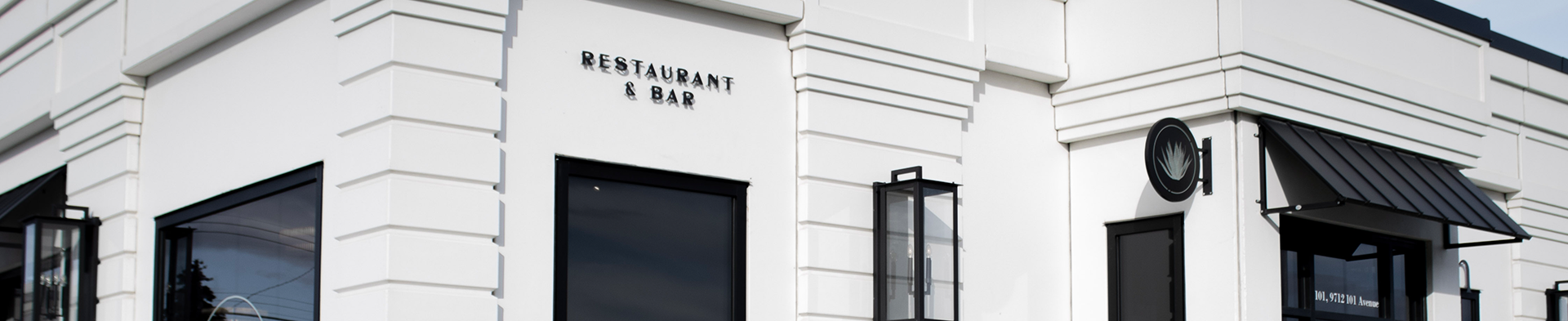
Strong restaurant locations balance customer demand, accessibility, operational efficiency, and long-term profitability.
Confirm the Site Fits the Operation
Some spaces are operationally expensive before service even begins.
A beautiful location means very little if the site cannot efficiently support the restaurant operationally. Venting, grease traps, loading access, waste handling, zoning, and kitchen infrastructure all matter.
For example, a second-generation restaurant space may save hundreds of thousands in infrastructure costs compared to a raw shell space.
Ask questions like:
“Does the site already support restaurant infrastructure?”
“Are venting and grease traps already installed?”
“Can deliveries and waste removal operate efficiently?”
“Are there zoning or patio restrictions?”
Never get emotionally attached to a site before confirming operational feasibility.
Operational fit matters today, but operators also need to think about future growth and flexibility.
Think About Long-Term Growth
A location should support where the business is going — not just where it starts.
Some sites work for a single-unit restaurant but become limiting later because of poor lease flexibility, weak delivery access, or changing neighbourhood conditions.
Operators thinking about how to scale a restaurant business should evaluate whether the location can support future operational growth, staffing needs, and customer demand over time.
Ask questions like:
“Will this site still fit the business in five years?”
“Is the surrounding area improving or declining?”
“Does the lease allow assignment or transfer flexibility?”
“Can the space support future operational changes?”
Choose locations that support long-term operational flexibility, not just short-term excitement.
At the end of the day, successful restaurant locations balance traffic, accessibility, operations, and profitability together.
The Best Restaurant Locations Balance More Than Traffic
The best restaurant locations are not always the busiest ones.
Strong locations balance customer fit, accessibility, occupancy costs, operational efficiency, and long-term flexibility together. A busy corner with weak economics or operational limitations can quickly become a difficult business.
The strongest operators evaluate locations strategically, not emotionally. They study customer behaviour, traffic patterns, lease costs, infrastructure, and long-term growth potential before signing anything.
At The Fifteen Group, we help restaurant operators evaluate locations, operational feasibility, and long-term growth opportunities through practical hospitality strategy, restaurant consulting services, and restaurant concept development.
Quick Restaurant Location Evaluation Checklist
| Area | What to Check | Green Flag | Red Flag |
|---|---|---|---|
| Customer Fit | Demographics, income, daypart traffic | Matches target customer | Busy area, wrong audience |
| Accessibility | Parking, transit, visibility, delivery access | Easy to access and visible | Difficult parking or traffic flow |
| Surrounding Businesses | Offices, residential density, complementary tenants | Strong nearby traffic drivers | Isolated or declining area |
| Occupancy Costs | Rent, CAM, taxes, utilities | Costs support healthy margins | High fixed costs with weak sales potential |
| Operational Fit | Venting, grease traps, loading, zoning | Restaurant-ready infrastructure | Expensive retrofit requirements |
| Lease Flexibility | Renewal options, assignment rights | Flexible long-term options | Restrictive lease structure |
| Long-Term Growth | Area development and scalability | Growing trade area | Declining neighbourhood trends |
A Strong Lease Can Protect Restaurant Profitability for Years
A restaurant lease impacts far more than monthly rent. It affects cash flow, operational flexibility, profitability, and long-term stability.
Small lease mistakes made early can create years of financial pressure later.
The strongest operators negotiate leases with the same discipline they apply to operations, labour, and cost control. They ask harder questions, document everything clearly, and protect flexibility before signing.
At The Fifteen Group, we help restaurant operators evaluate occupancy costs, operational risks, and growth opportunities through practical hospitality strategy and restaurant consulting services.
Frequently Asked Questions
-
A strong restaurant location fits the concept, customer base, and economics of the business. Good visibility, accessibility, nearby demand drivers, realistic occupancy costs, and operational feasibility all matter more than traffic alone.
-
Foot traffic matters, but quality matters more than quantity. A busy area with the wrong demographic or poor accessibility may perform worse than a quieter location with stronger customer alignment and easier access.
-
Restaurant occupancy costs should ideally remain under roughly 10% of sales. Operators should evaluate total occupancy costs, including CAM charges, taxes, maintenance, and utilities — not just base rent.
-
Before signing, operators should confirm zoning, venting, grease traps, parking, delivery access, patio rights, lease flexibility, occupancy costs, and future repair responsibilities. A strong location still needs to function operationally.
-
Absolutely. Weak locations can create ongoing problems with traffic, staffing, delivery operations, visibility, and occupancy costs. Even strong food and service can struggle if the location does not support the business properly.