
Restaurant Menu Optimization Tips to Improve Profitability
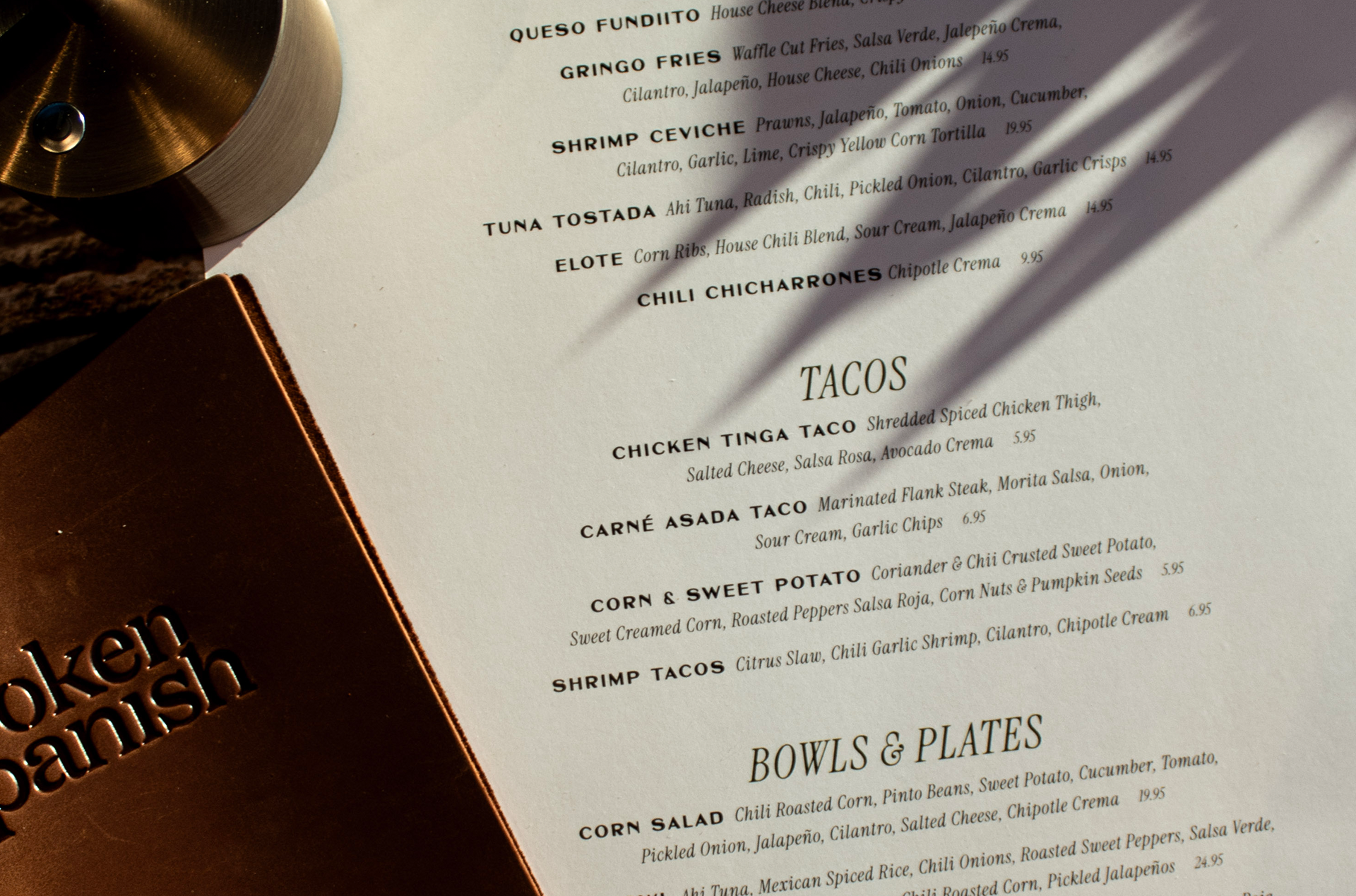
Restaurant menu optimization can improve profitability, reduce food costs, simplify operations, and strengthen long-term menu performance.
A busy restaurant can still lose money because of the menu.
Many operators focus heavily on sales while ignoring whether the menu is actually profitable, operationally efficient, or aligned with customer demand.
That creates problems quickly.
Well-executed menu engineering can reportedly improve restaurant profitability by 10–15%.
At the same time, customers are becoming more value-conscious and selective with spending. Restaurants Canada reported Canadians are increasingly choosing lower-cost menu items and fewer add-ons rather than simply spending more overall.
A weak menu quietly creates waste, slows kitchens down, increases labour pressure, and hurts margins long before operators realize the problem.
Strong menu optimization is not just about pricing or design. It is about building a menu that supports profitability, operations, and customer behaviour together.
This also becomes one of the most important operational areas during the early steps to opening a restaurant, especially for operators trying to understand how to reduce food cost in a restaurant while building pricing, inventory, and kitchen systems for the first time.
Before redesigning layouts or changing prices, operators first need to understand which menu items are actually helping the business make money.
Track Profitability by Menu Item
Popular menu items are not always profitable.
Many restaurants keep low-margin items simply because they sell well. In reality, some best-sellers create heavy labour pressure, high food costs, and very little actual profit.
For example, a pasta dish with expensive ingredients and complex prep may generate less profit than a simpler chicken dish with stronger margins and faster execution.
Only 27% of restaurant operators reportedly apply high-rigor menu analysis despite most believing menu optimization is critical.
Ask questions like:
“Which items generate the highest contribution margin?”
“Which dishes sell often but make very little profit?”
“Are high-volume items slowing kitchen execution?”
“Which menu items consistently create waste?”
Track every item by both popularity and profitability, not sales alone.
Once operators understand profitability, the next step is simplifying the menu itself.
Reduce Menu Complexity
Large menus often create smaller profits.
Many restaurants add menu items hoping to increase sales, but overly broad menus usually create slower kitchens, inconsistent execution, higher inventory costs, and more waste.
Restaurants with too many low-performing items often struggle operationally long before they notice the financial damage.
In fact, 53% of restaurant operators have reportedly removed menu items due to rising food costs.
The goal is not offering more choices. The goal is offering the right choices.
If an item requires unique ingredients, slows down prep, or sells inconsistently, it should justify itself financially. Otherwise, it may be hurting profitability more than helping sales.
Strong profitability also creates more flexibility during restaurant lease negotiation tips discussions, especially when occupancy costs begin increasing.
Simplifying the menu improves speed, consistency, training, and food cost control at the same time.
Once menu complexity is under control, operators can focus more strategically on pricing.
Price for Margin, Not Emotion
Many restaurants underprice their menu without realizing it.
Operators often price items based on comfort level, competitor pricing, or fear of guest reaction instead of actual margin requirements. Over time, that quietly erodes profitability.
At the same time, customers are becoming increasingly price-sensitive. Technomic reported 23% of consumers say a $1 price increase would stop them from ordering.
That does not mean restaurants should avoid price increases. It means pricing needs to feel intentional and balanced with perceived value.
Small adjustments made consistently are usually easier for guests to accept than large increases all at once.
Operators should also monitor how to choose a restaurant location can influence pricing tolerance, average cheque size, and customer expectations across different trade areas.
Strong pricing protects profitability, but menu layout and positioning also influence what guests actually order.
Use Menu Design to Influence Ordering
Guests rarely read menus as carefully as operators think.
Menu layout, placement, spacing, and descriptions all influence what customers notice first and what they ultimately order.
High-margin items placed in strong visual positions often outperform equally profitable items buried lower on the page. Descriptive wording also helps increase perceived value without changing the product itself.
A cluttered menu usually creates decision fatigue. Simpler layouts help guide ordering more naturally.
This also becomes important operationally during the early stages of menu development. Strong menu organization improves guest flow, simplifies ordering, and makes service easier for staff.
Good menu design should quietly direct attention toward the items that best support profitability and operational consistency.
But strong design alone is not enough if the menu no longer reflects what customers actually want.

Strong restaurant menus balance profitability, operational efficiency, customer demand, and long-term consistency.
Adjust the Menu Around Customer Behaviour
A strong menu evolves with customer demand.
Restaurants that refuse to adapt usually fall behind. Customer preferences, ordering habits, and value expectations change constantly, especially during periods of inflation and economic pressure.
Restaurants Canada reported chicken sandwich servings increased 26% versus 2020, highlighting how quickly demand patterns can shift.
Operators should regularly study sales mix, add-on behaviour, delivery ordering patterns, and guest feedback to identify where demand is moving.
This is also where understanding how to scale a restaurant business becomes important. Menus that are too trend-driven, operationally complex, or inconsistent are much harder to scale successfully over time.
The strongest menus balance customer demand with operational simplicity and margin protection together.
Once operators understand customer behaviour, the final step is making sure staff can consistently support the menu properly.
Train Staff Around the Menu
Even strong menus underperform without strong execution.
Staff directly influence what guests order, how confidently items are presented, and whether high-margin products actually sell consistently.
Servers who understand the menu well often increase average cheque size naturally through better recommendations, upselling, and guest guidance — without making service feel forced.
Strong staff training should include:
Which items drive the highest profitability
Recommended add-ons and pairings
How to describe featured items confidently
Allergy and ingredient knowledge
Upselling without sounding scripted
Understanding prep times and kitchen bottlenecks
This also helps reduce ordering mistakes, improve consistency, and create smoother kitchen execution during busy periods.
The best menu strategies only work when operations and service teams support them consistently every day.
At the end of the day, menu optimization is really about building a menu that works financially, operationally, and commercially together.
Quick Menu Optimization Checklist
| Area | What to Check | Green Flag | Red Flag |
|---|---|---|---|
| Profitability | Contribution Margin and Sales Mix | High-Margin Items Sell Consistently | Best-Sellers Generate Weak Profit |
| Menu Size | Total Menu Items and SKU Complexity | Focused and Easy-to-Execute Menu | Too Many Low-Selling Items |
| Pricing | Current Food Costs and Margin Targets | Pricing Reflects Current Costs | Old Pricing Despite Inflation |
| Kitchen Efficiency | Prep Time, Waste, and Line Flow | Fast and Consistent Execution | Bottlenecks and High Waste |
| Menu Design | Layout, Placement, and Visibility | High-Margin Items Are Easy to Notice | Cluttered or Overwhelming Layout |
| Customer Demand | Ordering Trends and Guest Preferences | Menu Reflects Current Demand | Weak Menu-Market Fit |
| Staff Knowledge | Upselling and Menu Knowledge | Confident Recommendations and Execution | Inconsistent Selling and Service |
Quick Rule:
The best restaurant menus balance profitability, simplicity, customer demand, and operational efficiency together.
The Best Restaurant Menus Are Built for Profitability
The best restaurant menus are not always the biggest or most creative ones.
Strong menus balance profitability, operational simplicity, customer demand, and consistency together. Weak menus quietly create waste, slow kitchens down, increase labour pressure, and hurt margins over time.
The strongest operators treat menu optimization as an ongoing operational strategy — not a one-time redesign project.
Small improvements to pricing, menu mix, layout, and execution can compound into major profitability gains over time.
At The Fifteen Group, we help restaurant operators improve profitability, simplify operations, and strengthen long-term performance through practical restaurant menu engineering and menu development consultant services.
Frequently Asked Questions
-
Restaurant menu optimization is the process of improving menu profitability, pricing, item mix, and operational efficiency using sales data, food costs, and customer behaviour. The goal is to increase margins while improving the guest experience and simplifying execution.
-
Most restaurants should review menu performance quarterly. Pricing, food costs, customer demand, and low-performing items should be monitored regularly rather than waiting for a full redesign once a year.
-
Menu engineering is a strategy that analyzes menu items based on profitability and popularity. Restaurants typically categorize items as Stars, Plowhorses, Puzzles, or Dogs to help decide which items to promote, reprice, improve, or remove.
-
Yes. Strong menu optimization can reduce food waste, simplify inventory, lower SKU counts, improve portion control, and eliminate low-performing items that hurt profitability. It is one of the most effective ways to improve food cost management without lowering quality.
-
Large menus usually increase operational complexity, inventory costs, prep time, training difficulty, and waste. Simpler menus are often easier to execute consistently and usually produce stronger margins over time.