
Restaurant Startup Costs Canada: What It Really Costs to Open
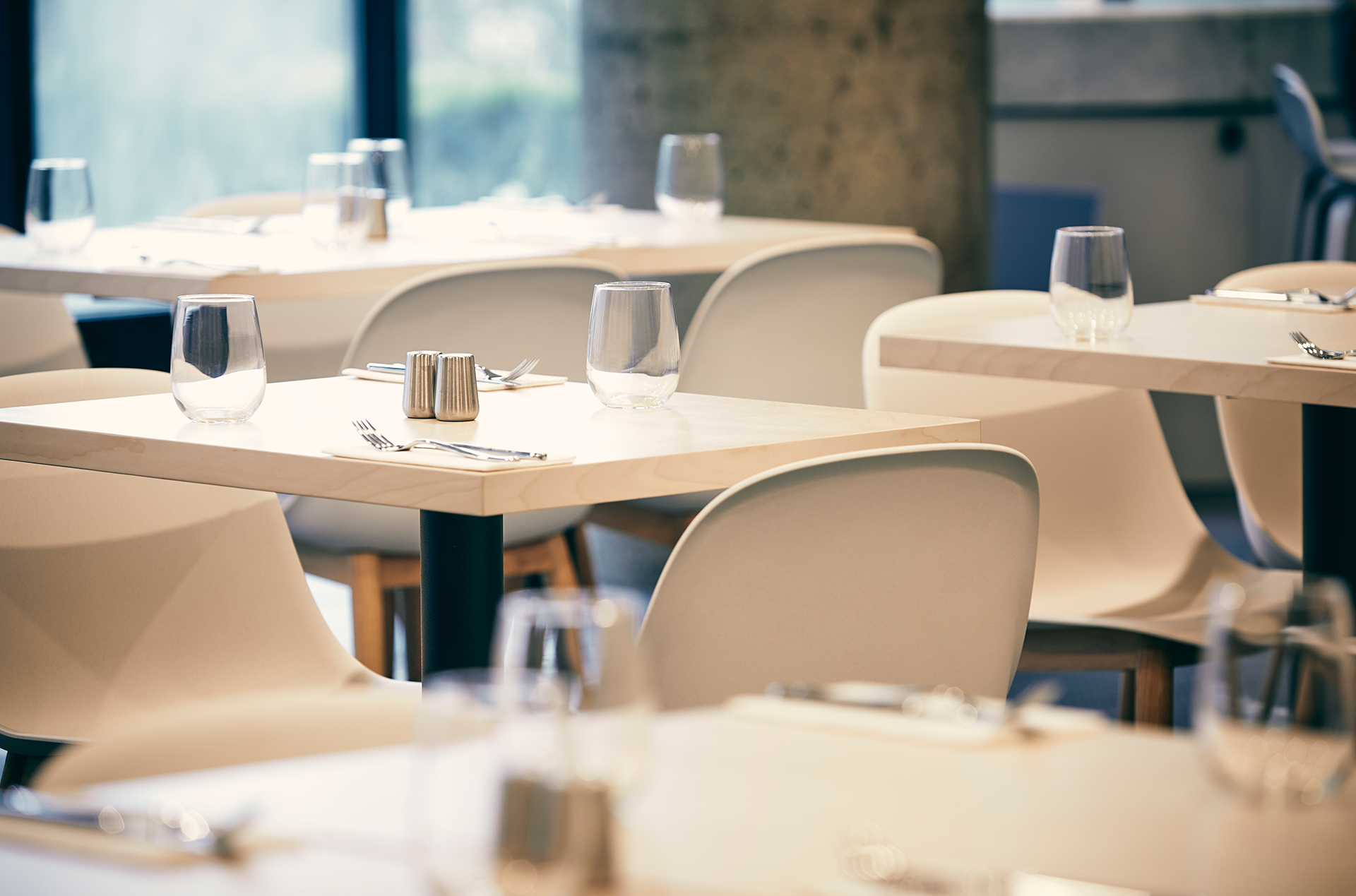
Restaurant startup costs in Canada can vary dramatically depending on the concept, location, construction requirements, and operational complexity.
Most restaurant startup budgets are wrong before construction even begins.
Many operators focus heavily on rent and equipment while underestimating buildout overruns, permits, working capital, staffing, and opening delays.
That creates serious pressure quickly.
Most independent restaurants in Canada reportedly require roughly CAD $250,000 to $1,000,000+ in startup capital depending on concept and market.
At the same time, startup costs continue rising because of construction pricing, labour shortages, rent increases, and regulatory requirements.
Statistics Canada reported annual food services and drinking places sales reached $101.4 billion in 2025, highlighting both the size and competitiveness of the industry.
The biggest mistake many operators make is undercapitalization. Restaurants rarely fail because of one bad week. They fail when cash runs out before operations stabilize.
Before building a startup budget, operators first need to understand where restaurant startup costs actually come from.
Buildout and Construction Usually Cost More Than Expected
Construction is often the biggest financial surprise.
Many operators underestimate plumbing, electrical, HVAC, venting, grease traps, permitting delays, and contractor overruns when budgeting startup costs.
Restaurant renovation and buildout costs can range anywhere from roughly CAD $40,000 to well over $250,000 depending on the condition of the space, concept complexity, and infrastructure requirements.
Taking over an existing restaurant space can sometimes reduce infrastructure costs significantly compared to building from a raw shell.
Operators should also build at least a 20–30% contingency buffer into construction budgets because delays and change orders are extremely common.
Once construction costs are understood, equipment becomes the next major startup expense.
Kitchen Equipment Adds Up Quickly
Kitchen equipment costs escalate faster than most operators expect.
Cooking equipment, refrigeration, prep stations, dishwashing systems, smallwares, and ventilation can quickly consume a large portion of the startup budget.
Commercial kitchen equipment costs often range between roughly CAD $75,000–200,000 depending on concept size and operational complexity.
Many operators reduce upfront costs by purchasing certified used equipment or leasing higher-cost items initially.
Strong restaurant kitchen design can also help reduce unnecessary equipment purchases, improve workflow, and avoid expensive modifications later.
The goal is not building the biggest kitchen possible. The goal is building a kitchen that supports the menu efficiently and profitably.
Beyond equipment, many operators also underestimate the soft costs required before opening.
Permits, Licensing, and Professional Fees Add Hidden Costs
Startup costs are not limited to construction and equipment.
Liquor licensing, health permits, legal fees, accounting, inspections, consultants, and municipal approvals can quietly add thousands to the opening budget.
Canadian restaurant startup guides commonly estimate permits, licensing, and regulatory approvals can cost roughly CAD $5,000–15,000+ before opening, depending on the province, liquor licensing, and municipal requirements.
Liquor licenses can also take months to approve, which can delay openings and create additional carrying costs.
Strong restaurant lease negotiation tips can also help reduce upfront pressure through tenant improvement allowances, fixturing periods, and early rent relief.
The permit fees themselves are often manageable. The real risk is the delays and cash flow pressure they create.
Even after the restaurant is physically ready, operators still need enough working capital to survive the opening months.
Liquor Licence Costs by Province in Canada
| Province | Licensing Authority | Typical Licence Fees | Key Notes |
|---|---|---|---|
| British Columbia | Liquor & Cannabis Regulation Branch | Liquor Primary: ~$2,200 application + first year. Food Primary: ~$950 application + first year. | Renewals are sales-volume based and can exceed $2,860 annually. |
| Alberta | Alberta Gaming, Liquor & Cannabis (AGLC) | Many licence classes. Some restaurant/pub licences around ~$500. | Special event permits range from ~$10–$750. |
| Saskatchewan | Saskatchewan Liquor & Gaming Authority (SLGA) | Application fee around ~$525. Annual fees ~$158–$525. | Fees vary based on municipality size and permit type. |
| Manitoba | Liquor, Gaming and Cannabis Authority (LGCA) | Application fee ~$500 plus annual fee ~$500. | General Liquor Service Licence pricing is relatively straightforward. |
| Ontario | Alcohol and Gaming Commission of Ontario (AGCO) | Restaurant/bar licences: ~$925–$1,055 for a 2-year term. | Convenience store licences around ~$500/year. Grocery store licences around ~$3,250/year. |
| Quebec | RACJ | Restaurant/bar permits around ~$674. | Accessory and grocery permits generally range from ~$198–$395. |
| Nova Scotia | Provincial Liquor Licensing Authorities | Application ~$311 plus 3-year licence ~$561. | Special occasion permits range from ~$12–$62. |
| New Brunswick | Provincial Liquor Licensing Authorities | Application fee around ~$350. Annual fees ~$325–$850+. | Licence pricing varies based on seating capacity and licence class. |
| Prince Edward Island | PEI Liquor Control Commission | Application fee ~$200. Annual fees around ~$250. | Club licences range from ~$75–$250 depending on membership size. |
| Newfoundland & Labrador | Newfoundland Labrador Liquor Corporation (NLC) | Fees vary widely depending on licence type and sales volume. | Some licence fees range from hundreds to several thousand dollars annually. |
Working Capital Is What Keeps Restaurants Alive
Restaurants rarely stabilize immediately after opening.
Many operators spend heavily on construction and equipment but leave themselves with very little cash once the doors open. That becomes dangerous quickly when sales ramp slower than expected.
Most operators should maintain roughly 3–6 months of working capital reserves before opening.
Working capital covers payroll, inventory, utilities, marketing, repairs, and ongoing operating expenses during the early months.
Restaurants rarely fail because of one bad week. They fail because cash flow disappears before operations stabilize.
This also becomes one of the most important financial areas during the early steps to opening a restaurant, especially when operators are forecasting staffing, inventory, and opening costs for the first time.
Startup costs also vary dramatically depending on the type of restaurant being opened.
Strong restaurant openings require realistic budgeting, disciplined planning, working capital, and operationally sound financial decisions.
Restaurant Concept Type Changes Everything
Not all restaurant concepts carry the same startup risk.
A food truck, small café, fast casual concept, and full-service restaurant all operate with completely different startup costs, staffing requirements, equipment needs, and occupancy pressures.
Estimated startup ranges in Canada commonly include:
Food trucks: CAD $75,000–200,000
Small cafés: CAD $80,000–350,000
Fast casual: CAD $400,000–700,000
Full-service restaurants: CAD $700,000–1,000,000+
Smaller concepts with tighter operations and stronger restaurant menu optimization tips often control startup costs more effectively.
The concept should match both the market opportunity and the operator’s financial capacity — not just the vision.
At the end of the day, successful restaurant openings are usually driven more by disciplined planning than optimism.
Strong Planning Reduces Expensive Startup Mistakes
Most restaurant startup problems begin long before opening day.
Weak budgeting, unrealistic sales projections, poor timelines, and undercapitalization quietly create operational pressure before the business even launches.
Understanding how to choose a restaurant location properly can significantly affect rent, construction costs, customer demand, and long-term profitability.
Operators should also stress-test budgets against delays, slower sales ramps, labour shortages, and unexpected repairs before committing capital.
The restaurants that survive long term are usually not the ones that spend the most. They are the ones that plan the most realistically.
Restaurant startup costs are not just about opening the doors — they are about giving the business enough stability to survive after opening.
The Real Cost of Opening a Restaurant Is Usually Higher Than Expected
Most restaurant startup budgets look reasonable on paper — until delays, overruns, staffing costs, and cash flow pressure begin stacking up.
Strong restaurant openings require realistic budgeting, disciplined planning, operational awareness, and enough working capital to survive the early stages of the business.
The operators who plan conservatively usually create far more flexibility later.
At The Fifteen Group, we help restaurant operators build realistic budgets, reduce startup risk, and plan stronger openings through practical restaurant business plan development and restaurant consulting services.
Frequently Asked Questions
-
Most independent restaurants in Canada require roughly CAD $250,000 to $1,000,000+ in startup capital depending on the concept, location, size, and construction requirements.
-
Construction and buildout costs are usually the largest expense. Renovations, plumbing, HVAC, electrical, and kitchen infrastructure can quickly consume a large portion of the startup budget.
-
Most operators should maintain at least 3–6 months of working capital reserves to cover payroll, inventory, rent, utilities, and operating expenses after opening.
-
Yes. Many operators reduce startup costs by taking over second-generation restaurant spaces, leasing equipment, purchasing certified used equipment, simplifying menus, and negotiating tenant improvement allowances.
-
Many restaurants underestimate delays, opening costs, staffing expenses, and slow sales ramps. Restaurants often fail because cash flow disappears before operations stabilize — not because demand never existed.