
Why Is My Restaurant Not Making Money? 10 Common Reasons Restaurants Lose Profit
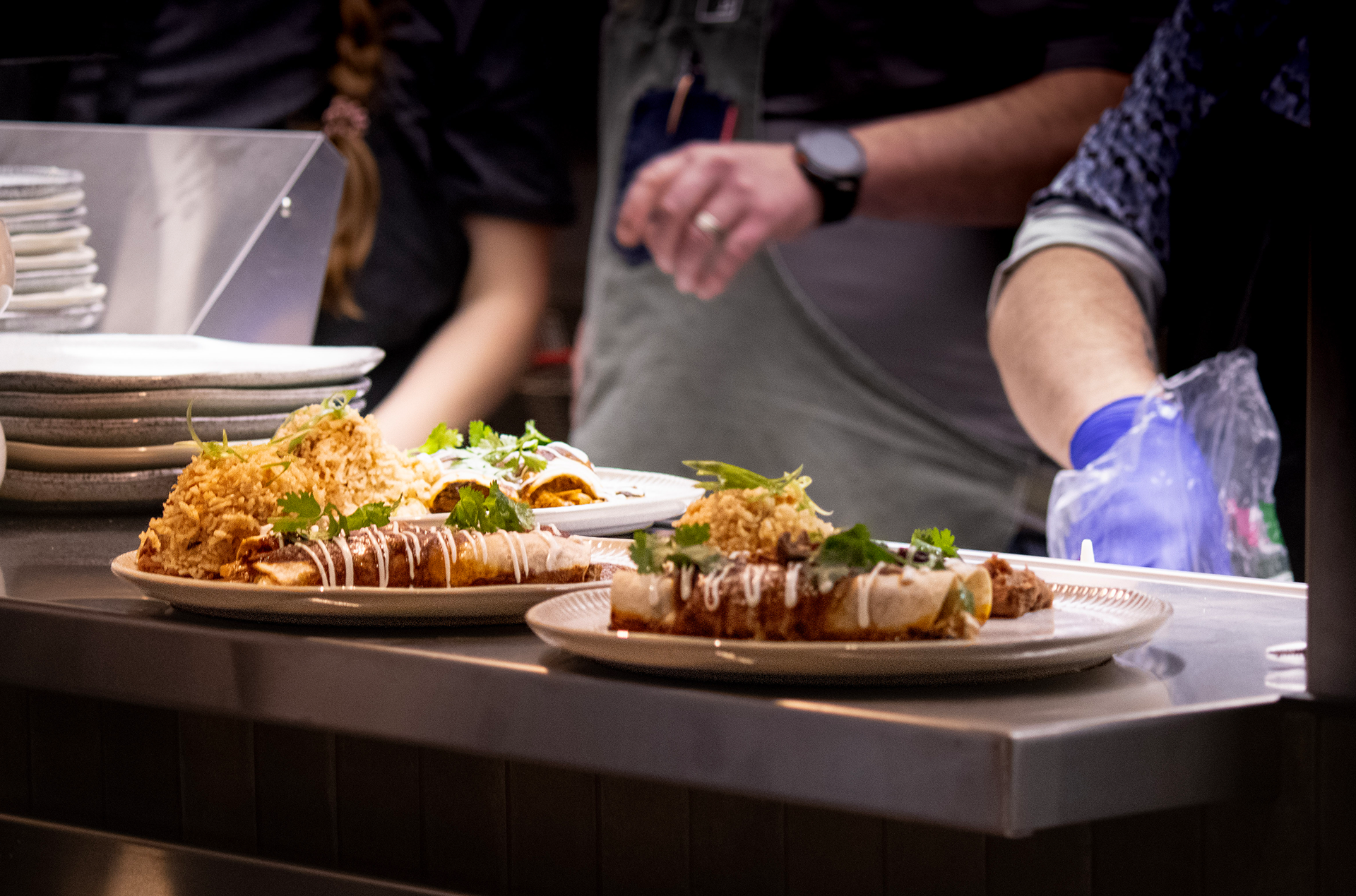
Restaurant profitability problems often come from rising costs, weak systems, inconsistent operations, and shrinking margins — even when sales appear strong.
Many restaurants look busy while quietly losing money.
Strong sales do not automatically create strong profit. Restaurants operate on extremely thin margins, so even small increases in food costs, labour, rent, or operational waste can erase profitability quickly.
Statistics Canada reported food services and drinking places operated at just a 3.6% operating profit margin in 2023 — the lowest level in roughly two decades.
Restaurants Canada also reported that 36–44% of Canadian restaurants were operating at a loss or breaking even by 2026, highlighting how widespread profitability pressure has become.
At the same time, Restaurants Canada reported that 71% of operators saw declining profitability in early 2026.
Most restaurants do not fail because of one catastrophic mistake. Profit usually disappears through multiple smaller operational problems compounding over time.
If you have ever asked yourself “why is my restaurant not making money?”, these are some of the most common reasons.
1. Food Costs Are Too High
Small food cost problems become major profit problems quickly.
Waste, poor portion control, supplier increases, overcomplicated menus, and low-margin items can quietly destroy profitability over time.
Statistics Canada reported food costs represented roughly 35.7% of restaurant operating expenses in 2023.
Restaurants Canada reported that 91% of operators identified food costs as one of their biggest business pressures in 2026.
For example, a restaurant carrying 120 menu items with low sales volume may end up throwing out expensive ingredients weekly while also slowing kitchen execution and increasing inventory pressure.
Many restaurants also carry too many ingredients, too many low-performing menu items, and too much unnecessary inventory.
Strong restaurant menu optimization tips can often improve food cost control, reduce waste, simplify operations, and strengthen contribution margins.
Operators should regularly:
review recipe costing
monitor waste
simplify inventory
remove weak-margin items
analyze sales mix
Even restaurants with controlled food costs can still struggle if labour is not managed properly.
2. Labour Costs Are Out of Control
Labour is one of the hardest restaurant costs to control.
Overstaffing, overtime, inefficient scheduling, low productivity, and retention problems can quickly pressure margins — especially during slower traffic periods.
Statistics Canada reported wages and benefits represented roughly 33.4% of restaurant operating expenses in 2023.
For example, a restaurant that staffs Friday-level labour on slower Tuesday afternoons can quietly lose thousands of dollars per month in unnecessary labour costs alone.
Many operators schedule based on habit instead of actual sales patterns, which quietly creates unnecessary labour pressure.
Restaurants usually improve labour efficiency when they:
Schedule around real sales data
Reduce prep complexity
Cross-train staff
Simplify operations
Monitor labour daily instead of weekly
Strong sales also mean very little if occupancy costs are too aggressive.
3. Your Rent Is Too Expensive
High rent quietly destroys restaurant cash flow.
Rent, CAM charges, taxes, utilities, and oversized spaces create major fixed-cost pressure — especially when traffic slows down.
Statistics Canada reported rental and leasing costs represented roughly 8.3% of restaurant operating expenses in 2023.
For example, a restaurant paying $18,000 per month in occupancy costs may still struggle financially even with strong sales if weekday traffic weakens or labour and food costs rise simultaneously.
Many restaurants also underestimate how quickly occupancy costs compound when sales soften.
Strong restaurant lease negotiation tips can help operators reduce long-term occupancy pressure, improve flexibility, and protect margins more effectively.
Operators should regularly:
Review occupancy cost %
Negotiate renewals early
Reduce underused space
Audit CAM charges
Monitor fixed overhead closely
But many restaurants struggling financially do not actually have a cost problem first — they have a traffic problem.
4. Customer Traffic Is Too Weak
Low traffic magnifies every other operational problem.
Restaurants Canada reported 54% of operators experienced fewer guests in early 2026.
Even strong restaurants struggle financially when there are not enough customers consistently coming through the doors.
For example, a restaurant built around busy Friday and Saturday nights may still lose money if weekday lunch and midweek dinner traffic remain weak.
Weak visibility, poor marketing, declining repeat business, inconsistent branding, and poor trade areas all reduce traffic over time.
Understanding how to choose a restaurant location properly can significantly affect long-term traffic, visibility, and repeat business.
Restaurants usually improve traffic when they:
Focus on repeat guests
Improve digital visibility
Strengthen local marketing
Study daypart performance
Build stronger customer retention
Even busy restaurants can still lose money when pricing strategy is weak.

Strong restaurant profitability requires disciplined operations, cost control, financial visibility, and smarter decision-making.
5. Your Menu Pricing Is Too Low
Many restaurants underprice themselves without realizing it.
Operators often avoid raising prices because they worry about customer reaction, even while food, labour, rent, and supplier costs continue increasing.
That slowly compresses margins over time.
For example, a menu item priced profitably in 2024 may now generate little to no actual profit if ingredient and labour costs have increased significantly since then.
Weak menu pricing usually shows up when:
Food costs keep rising
Sales stay busy but cash flow stays weak
High-selling items generate poor margins
Operators avoid regular pricing reviews
Restaurants should review pricing consistently instead of waiting until profitability becomes a serious problem.
Profitability also disappears quickly when operational waste goes unchecked.
6. Operational Waste Is Draining Profit
Tiny inefficiencies become expensive very quickly.
Spoilage, overordering, comps, voids, inconsistent prep, and poor inventory systems can quietly drain thousands of dollars from a restaurant every year.
With restaurant margins often sitting in low single digits, even small operational leaks create major financial damage over time.
For example, small daily waste across prep, spoilage, overportioning, and voids may not seem serious individually, but together they can erase a large portion of monthly profit.
Restaurants usually reduce waste when they:
Tighten inventory controls
Standardize recipes
Improve prep systems
Audit waste weekly
Reduce unnecessary SKUs
Restaurants that improve operational consistency usually improve profitability surprisingly quickly.
Some restaurants also struggle because the business was never financially stable from the beginning.
7. The Restaurant Was Undercapitalized
Cash flow problems destroy restaurants fast.
Many restaurants open without enough working capital to survive slower sales periods, repairs, staffing pressure, seasonality, or unexpected cost increases.
For example, a restaurant may generate solid opening traffic but still struggle financially a few months later if construction overruns, supplier increases, or weak weekday sales quickly drain cash reserves.
Many operators also underestimate the real restaurant startup costs in Canada businesses face, especially when delays, labour pressure, and working capital needs begin stacking up.
Restaurants usually create more stability when they:
Maintain reserve cash
Build conservative forecasts
Reduce unnecessary debt
Stress-test financial projections
Avoid overbuilding early
Restaurants often fail because cash runs out before operations stabilize — not because demand never existed.
Some restaurants also struggle because operations become too complex to execute consistently.
8. Your Menu Is Too Complicated
Large menus often create smaller profits.
Oversized menus increase inventory pressure, slow kitchen execution, complicate prep, increase waste, and make consistency much harder to maintain.
For example, a restaurant offering 140 menu items may need significantly more inventory, prep labour, training, and storage compared to a focused menu with 40–60 well-performing items.
Complex menus also make it harder for kitchens to stay efficient during busy periods.
Restaurants usually improve operational performance when they:
Remove low-selling items
Simplify prep processes
Reduce ingredient overlap
Streamline menu categories
Focus on high-performing dishes
Simpler menus are often easier to execute, easier to train, and far more profitable long term.
Even strong menus and good traffic can still fail if the guest experience is inconsistent.
9. The Guest Experience Is Inconsistent
Customers rarely return to inconsistent restaurants.
Even strong food and good locations struggle when service, hospitality, speed, cleanliness, or execution feel unreliable from visit to visit.
For example, a restaurant may attract strong first-time traffic through marketing or social media, but weak service and inconsistent experiences often prevent repeat business from developing.
That becomes expensive over time because repeat customers are usually far more profitable than constantly chasing new ones.
Restaurants usually strengthen guest retention when they:
Improve staff training
Standardize service systems
Monitor guest feedback
Improve speed and consistency
Focus on hospitality, not just transactions
Weak guest experience eventually creates weaker reviews, lower traffic, and declining profitability.
10. You Are Not Tracking the Right Numbers
You cannot fix what you are not measuring.
Many restaurants review financial performance too late or rely too heavily on instinct instead of operational data.
That usually leads to reactive decision-making instead of proactive profitability management.
For example, a restaurant may feel busy every night but still lose money because food costs, labour, waste, and low-margin menu items are never reviewed properly.
Strong restaurant accounting systems help operators identify profitability problems much earlier.
Restaurants should consistently track:
Food cost %
Labour %
Prime cost
Sales mix
Average cheque
Waste
Weekly cash flow
Operators who monitor performance closely usually identify profitability problems before they become serious.
Most restaurant profitability problems are fixable — but only when operators identify the real causes early enough.
Restaurant Profitability Checklist: 10 Common Areas to Review
| Problem Area | What to Check | Healthy Sign | Warning Sign |
|---|---|---|---|
| Food Costs | Waste, portion control, inventory | Controlled food cost % | Frequent waste and shrinking margins |
| Labour Costs | Scheduling and productivity | Labour aligns with sales | Overstaffing and overtime |
| Occupancy Costs | Rent, CAM, utilities | Manageable fixed costs | High rent pressure |
| Customer Traffic | Guest counts and repeat visits | Consistent traffic patterns | Weak weekday traffic |
| Menu Pricing | Contribution margins and pricing | Pricing reviewed regularly | Busy sales with weak profit |
| Operational Waste | Spoilage, voids, overordering | Tight operational controls | Frequent waste and inconsistency |
| Cash Flow | Reserve cash and debt load | Healthy working capital | Constant cash pressure |
| Menu Complexity | Menu size and prep complexity | Focused, efficient menu | Oversized menu and slow execution |
| Guest Experience | Service consistency and reviews | Strong repeat business | Declining guest loyalty |
| Financial Tracking | Reporting and KPI monitoring | Daily visibility into numbers | Reactive decision-making |
Most Restaurant Profitability Problems Are Operational Before They Become Financial
Most restaurants do not lose money because of one catastrophic mistake.
Profit usually disappears through small operational problems compounding over time — rising costs, weak systems, poor visibility, inconsistent execution, and shrinking margins.
The good news is that most of these problems are fixable with stronger operational discipline and better financial awareness.
At The Fifteen Group, we help restaurant operators improve profitability, strengthen operations, and gain clearer financial visibility through practical restaurant consulting services, restaurant accounting support, and operational guidance from an experienced restaurant management consultant.
Frequently Asked Questions
-
Many restaurants generate strong sales but still struggle financially because food costs, labour, rent, waste, and operational inefficiencies consume most of the revenue before profit remains.
-
Most restaurants typically operate on very thin margins, often around 3–6% pre-tax. Even small increases in food costs, labour, or occupancy expenses can significantly impact profitability.
-
Food costs, labour, and occupancy costs are usually the biggest financial pressures for restaurants. Together, they often consume the majority of total revenue.
-
Restaurants usually improve profitability by controlling food and labour costs, simplifying operations, improving menu pricing, reducing waste, and tracking financial performance more consistently.
-
Most restaurants do not fail because of one single issue. Financial problems usually develop from multiple operational pressures compounding over time, including weak traffic, poor cost control, undercapitalization, and inconsistent execution.